Decoding Incentive Architectures Across Digital Environments
Written by Ines Powell · Jul 7, 2026

Decoding Incentive Architectures Across Digital Environments
Virtual worlds operate on carefully engineered systems that determine how players receive items, currency, and status upgrades, and these mechanisms reflect deliberate choices by developers who balance engagement with long-term retention goals. Patterns emerge when analysts examine titles such as massively multiplayer online games and persistent social platforms, where reward frequency, rarity tiers, and progression curves follow repeatable structures documented across multiple releases.
Core Components of Distribution Logic
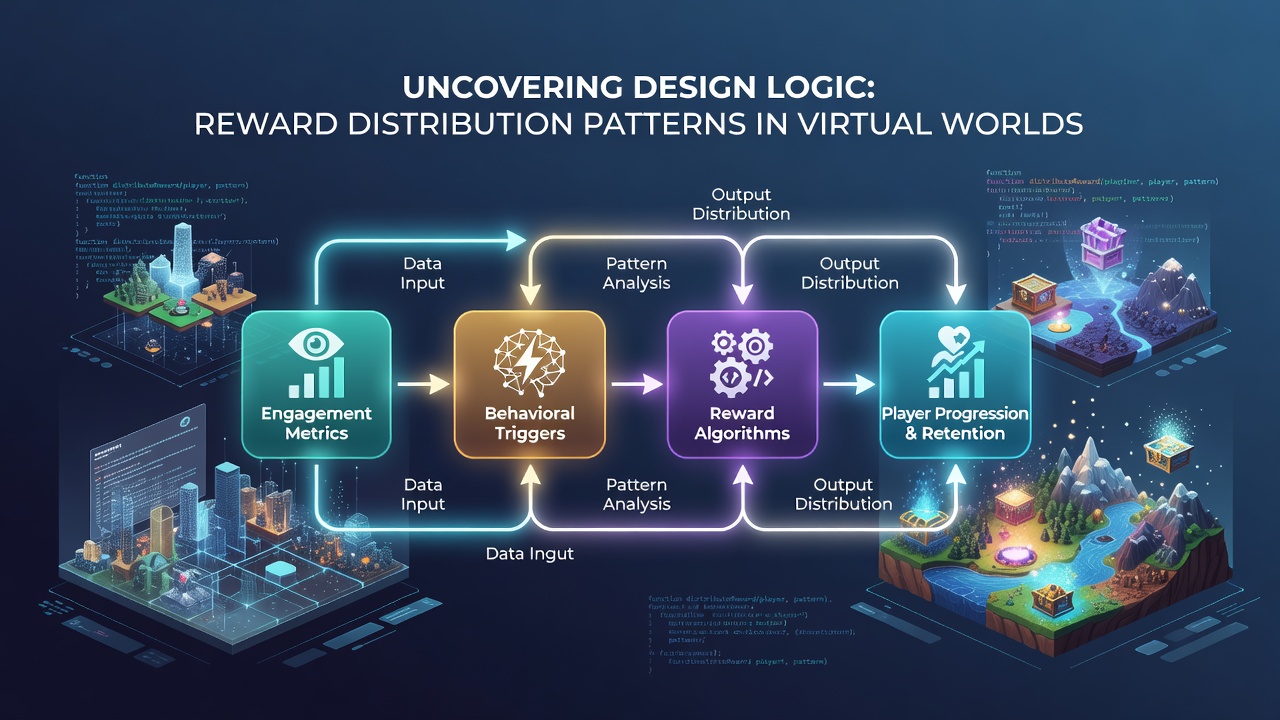
Design teams establish baseline probabilities for common rewards while layering rarer outcomes behind additional conditions like daily login streaks or group achievements, and this tiered approach appears consistently in data collected from live servers. Researchers tracking player behavior note that immediate small payouts maintain session momentum, whereas delayed larger grants encourage repeated returns over weeks or months. Observers note similar structures in environments released before and after 2020, indicating an industry-wide template refined through telemetry analysis rather than isolated experimentation.
Systems often incorporate diminishing returns after extended play sessions, which prevents rapid accumulation that could destabilize in-game markets. For instance, one documented case involved a role-playing platform that adjusted drop rates for high-value resources after server logs revealed concentrated farming in specific zones, and subsequent patches redistributed those resources across broader activity types. Such adjustments demonstrate how live monitoring feeds back into the underlying logic, keeping virtual economies functional while players continue exploring new content.
Regional Data and Industry Reports
Figures compiled by the Entertainment Software Association in the United States reveal steady growth in virtual goods transactions through 2025, with reward mechanics cited as a primary driver of sustained participation. In parallel, a Canadian academic review of digital economies highlighted how randomized reward tables in several persistent worlds correlate with measurable increases in average session length, though the same study emphasized that outcomes vary significantly by genre and player demographic.
European research institutions have examined comparable patterns in cross-platform titles, noting that reward visibility features, such as progress bars and collection logs, amplify perceived value without altering actual probabilities. These elements guide attention toward ongoing objectives and reduce early churn rates according to aggregated server metrics shared at industry conferences.
Player Response Patterns and Adjustments
Communities frequently document perceived fairness through forums and analytics dashboards, and developers respond by publishing transparency reports that outline exact probability ranges for featured items. One Australian regulatory body focused on digital marketplaces requested such disclosures from several major publishers in early 2026, resulting in standardized information displays that appear inside client interfaces. These changes coincided with broader updates rolled out during July 2026 maintenance windows, when multiple platforms synchronized probability displays to match new compliance expectations.
Longitudinal tracking shows that players adapt strategies once distribution rules become clear, shifting focus from high-variance activities to steady accumulation paths. Yet the same data indicates that surprise elements, introduced through limited-time events, continue to generate spikes in concurrent users even after core systems stabilize. This interplay between predictable progression and occasional novelty keeps retention metrics elevated across diverse player bases.
Future Trajectories in Virtual Economies
Emerging platforms experiment with adaptive algorithms that personalize reward schedules based on individual play history, and early implementations appear in select beta environments scheduled for wider release later in 2026. These systems aim to maintain challenge levels by scaling difficulty alongside reward density, preserving the sense of accomplishment while reducing repetitive grinding loops identified in prior titles. Industry analysts expect continued refinement as machine learning models ingest larger datasets from cross-game telemetry partnerships.
Conclusion
Design logic behind reward distribution in virtual worlds rests on measurable patterns refined through continuous data collection and iterative updates. Regional reports and server statistics confirm that these architectures influence participation duration and economic stability, while transparency measures introduced in 2026 reflect growing alignment between developer practices and external oversight. The resulting frameworks support persistent engagement across expanding digital landscapes without relying on any single formula.