Decoding the Bonus Economy: How Gift Systems Influence Community Dynamics in Roblox and Mobile Titles
Written by Mara Lehmann · Jun 7, 2026
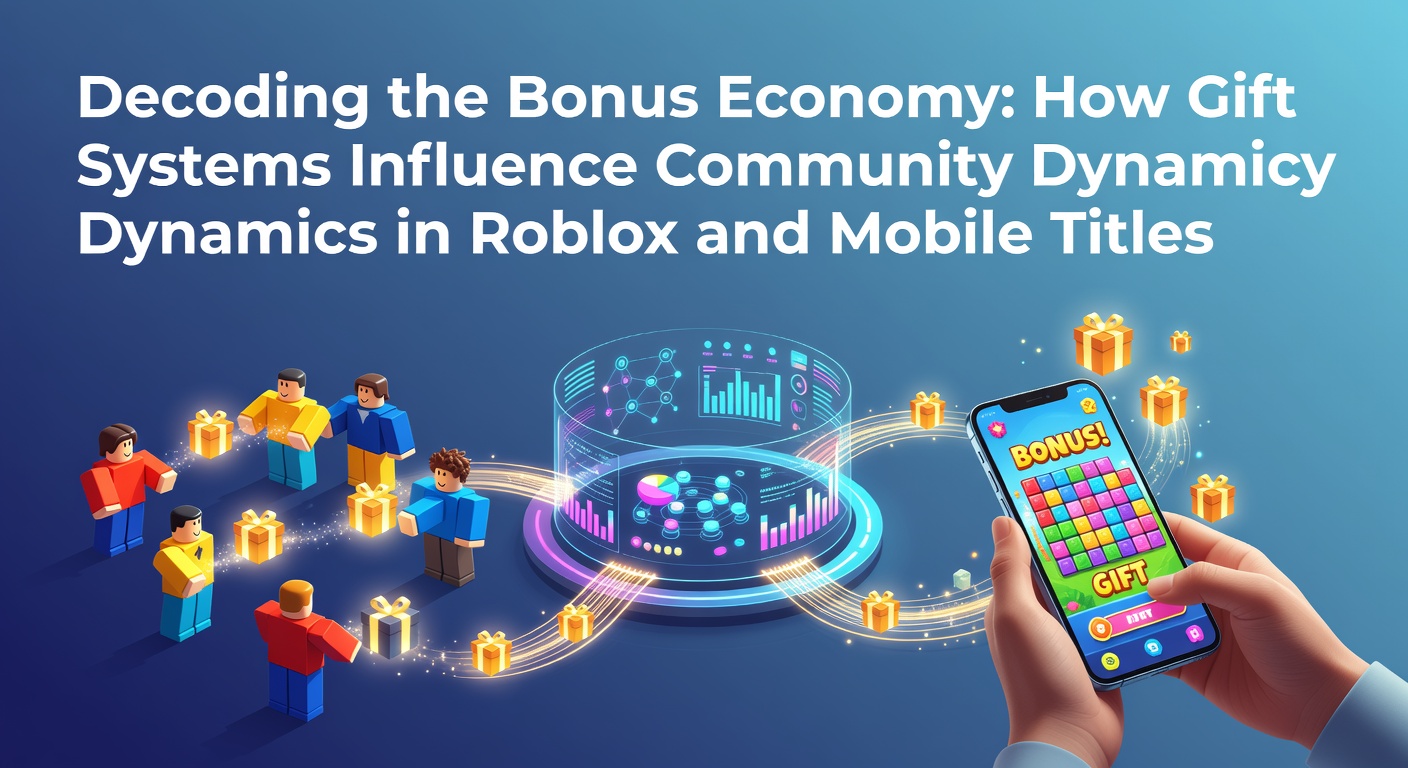
Decoding the Bonus Economy: How Gift Systems Influence Community Dynamics in Roblox and Mobile Titles
Gift systems in Roblox and various mobile titles operate through structured reward mechanisms that distribute in-game items, currency, and boosts to players, and these frameworks shape how communities form around shared activities such as trading, collaboration, and event participation. Data from industry reports shows that platforms like Roblox processed billions of virtual transactions annually by early 2026, with gift-based incentives accounting for a significant portion of player retention metrics.Mechanics of Gift Distribution in Popular Titles
Roblox developers integrate gift codes and bonus events that grant limited-time items, and mobile games follow similar patterns through daily login rewards or promotional campaigns that unlock pets, currency, or upgrades. These systems rely on server-side validation to prevent duplication, while community forums track active codes and share redemption steps. In June 2026 several titles expanded their gift frameworks to include cross-platform sharing features, allowing players on mobile and desktop to exchange bonuses during limited events.
Observers note that redemption rates spike during seasonal updates, and analytics platforms record higher engagement when gifts tie directly to collaborative goals like group quests or leaderboards. The process involves players entering alphanumeric codes through in-app menus, after which the system credits accounts instantly and logs the transaction for fraud prevention.
Impact on Player Interactions and Trading Networks
Communities in these environments develop around the circulation of gifted items, creating informal economies where players barter bonuses for rare collectibles or assistance in completing challenges. Research from academic institutions indicates that such exchanges strengthen social ties, as participants coordinate through Discord servers or in-game chat to maximize value from limited rewards. Those who study virtual economies point out that gift systems reduce entry barriers for new users, enabling them to join established groups more quickly.
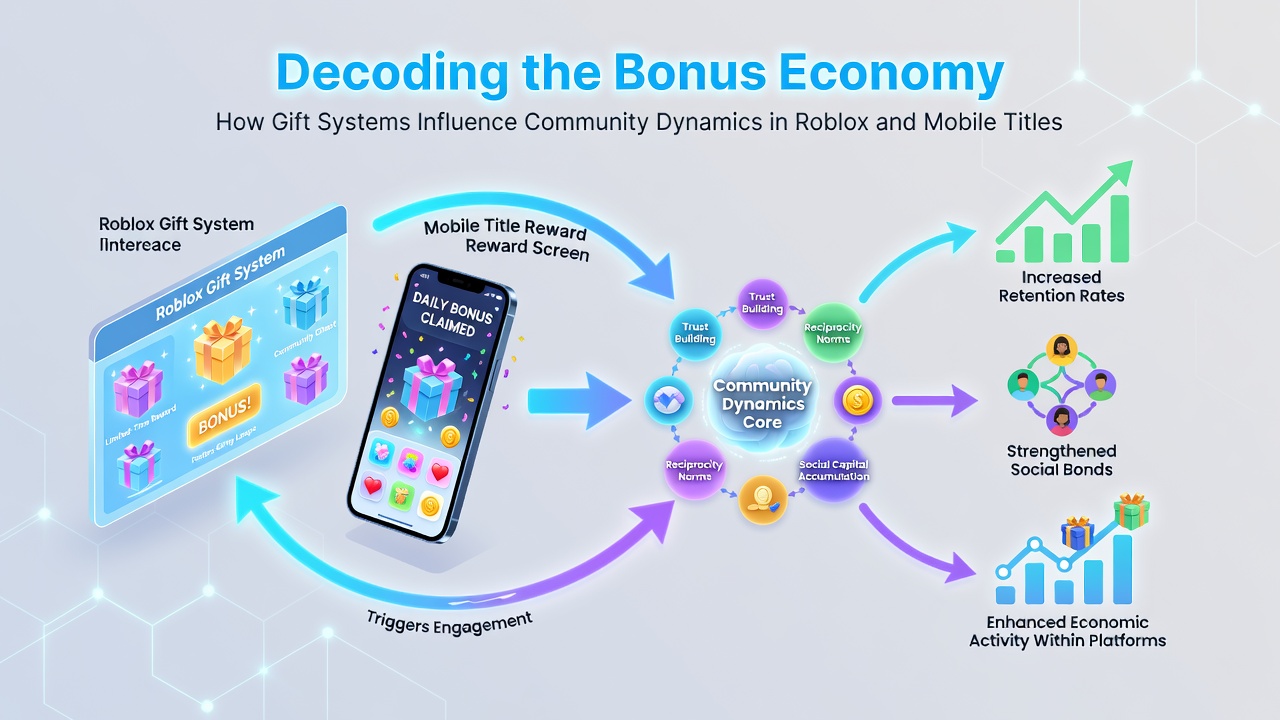
Yet the presence of time-sensitive gifts also introduces competition, since high-value rewards often disappear after short windows and prompt rapid coordination among active players. Data shows increased message volume on official channels during these periods, and developers respond by adding automated distribution tools to handle volume. European Commission analyses of digital marketplaces highlight how these mechanics parallel broader patterns in virtual goods distribution across regions.
Role of External Regulations and Platform Policies
Government agencies monitor gift systems for compliance with consumer protection standards, and the Australian Competition and Consumer Commission has examined how promotional rewards affect spending behaviors in gaming apps. Platforms adjust terms to align with such guidelines, ensuring transparency in how bonuses convert to real-world value equivalents. Industry organizations like the Entertainment Software Association compile statistics showing that regulated gift frameworks correlate with steadier community growth rates compared to unregulated alternatives.
Players navigate these rules by following official announcements that detail eligibility criteria and redemption limits, which in turn fosters trust within groups that rely on shared information. Studies from Canadian research centers reveal that clear policies around gift expiration dates help maintain balanced participation across different age demographics.
Long-Term Effects on Community Sustainability
Over multiple update cycles, gift systems contribute to recurring events that keep communities active even after initial hype fades, and developers use participation data to refine future distributions. Those monitoring Roblox ecosystems report that sustained bonus programs lead to persistent subgroups focused on collection and strategy sharing. Mobile titles exhibit parallel trends where gift-driven events boost cross-promotion between different games under the same publisher.
Figures from university-led surveys demonstrate measurable increases in daily active users during campaigns that emphasize communal rewards over individual gains. Developers continue to iterate on these models, incorporating feedback from player councils to address issues like unequal access across regions.
Conclusion
Gift systems continue to evolve alongside platform capabilities, influencing how players connect, trade, and sustain interest in Roblox and mobile environments through structured incentives and shared participation. Ongoing data collection from regulatory bodies and research groups provides insights into these dynamics without prescribing specific outcomes.