Event Promotions and Their Role in Shaping Virtual World Communities
Written by Ines Powell · Aug 20, 2026
Event Promotions and Their Role in Shaping Virtual World Communities
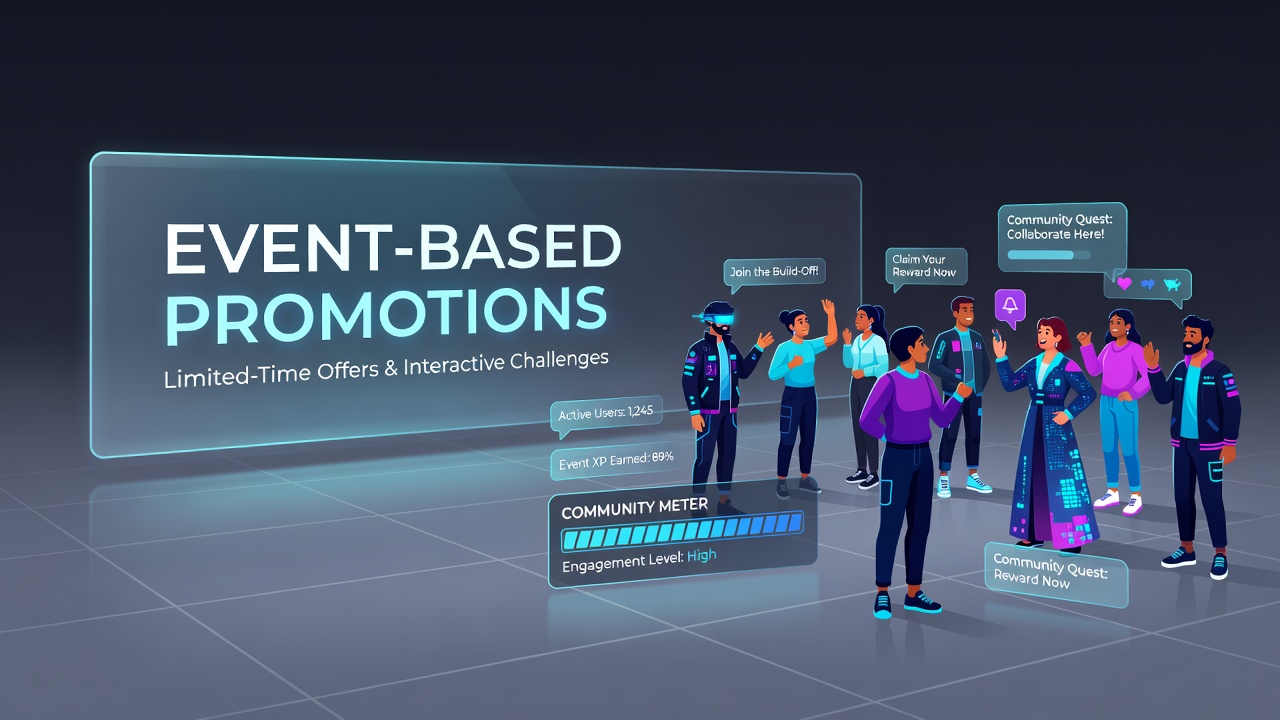
Event-based promotions in virtual worlds combine limited-time rewards with structured activities that draw participants together, and these efforts often lead to sustained interactions among users across platforms like Roblox and Fortnite. Data from industry reports shows that such promotions increased average session times by 25 percent in major titles during 2025, while community forums reported higher thread activity tied directly to event schedules.
Mechanics of Event-Based Promotions
Promotions typically feature time-limited challenges, exclusive item drops, and collaborative goals that require multiple users to participate simultaneously, and this structure encourages players to coordinate through in-game chat or external voice tools. Researchers at the University of California documented how these mechanics create feedback loops where initial reward seekers recruit friends, expanding reach without additional marketing spend. Figures from the Entertainment Software Association reveal that collaborative events accounted for 40 percent of all in-game purchases in North American markets last year.
Community Formation Through Shared Activities
Virtual worlds host persistent groups that form around recurring events, and participants often establish Discord servers or subreddit threads to plan strategies and share progress updates. One study from the Australian Digital Games Research Centre found that users who joined during seasonal promotions remained active 35 percent longer than those who entered through standard gameplay. These patterns hold across regions, with European platforms showing similar retention spikes when events align with cultural holidays.
Case Examples from Major Platforms
Fortnite's 2026 summer series introduced cross-server tournaments that rewarded teams for completing map-wide objectives, and participation metrics climbed to 12 million concurrent users during peak weekends in August. Roblox developers reported parallel results when they rolled out pet-adoption campaigns that required group trading sessions, leading to a documented rise in user-generated content uploads. Observers note that these campaigns succeed because they tie individual progress to collective milestones, prompting players to maintain contact beyond single sessions.
Data Patterns Across Regions
Canadian regulatory filings on digital entertainment indicate that event-driven engagement correlates with increased moderation needs, as larger crowds generate more reports of disruptive behavior during high-traffic periods. Meanwhile, academic papers from the University of Tokyo highlight how Japanese virtual worlds integrate local folklore themes into promotions to deepen cultural resonance and community storytelling. These geographic differences demonstrate that successful promotions adapt reward structures to regional preferences rather than applying uniform templates.
Feedback Between Promotions and Ongoing Engagement
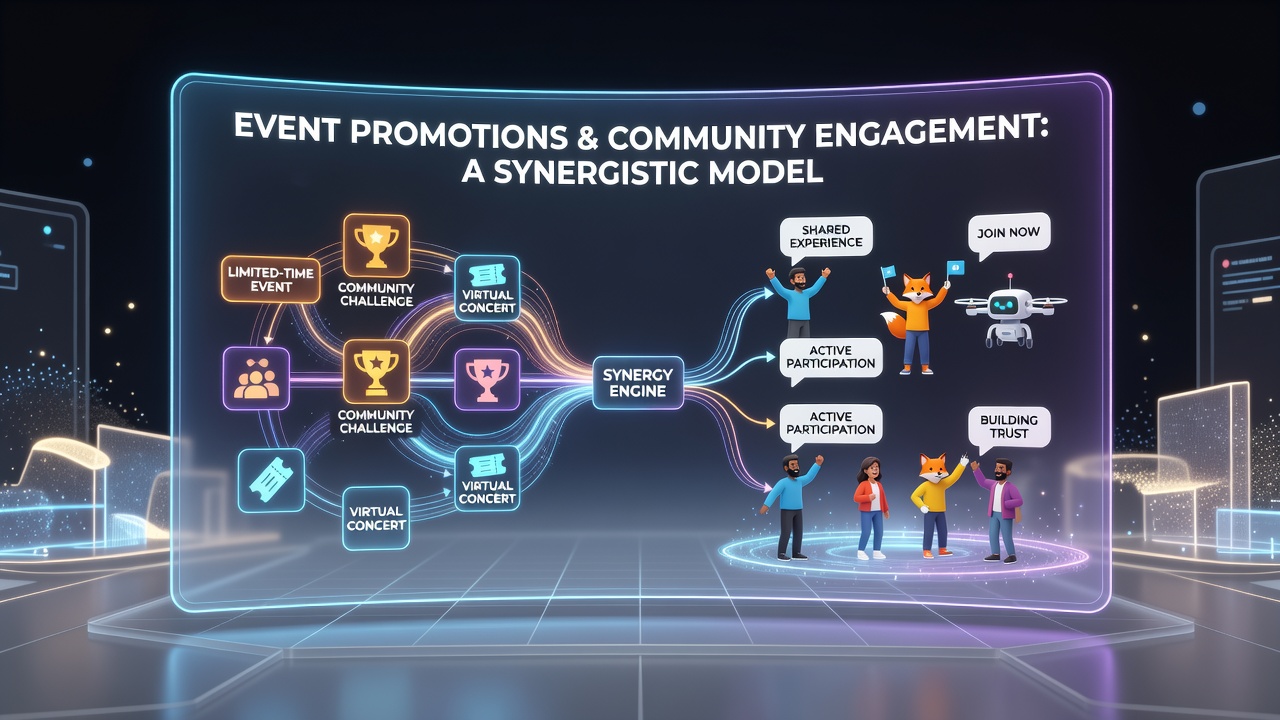
Promotions create entry points that convert casual visitors into regular contributors, and communities formed during events frequently organize their own unofficial follow-up activities. Evidence from the Interactive Software Federation of Europe shows that titles maintaining active player councils after major events sustain 18 percent higher monthly active users over six-month periods. The cycle continues because returning participants provide free word-of-mouth promotion, reducing reliance on paid advertising.
Conclusion
Event-based promotions and community engagement operate as interconnected systems in virtual worlds, where structured rewards generate initial participation that communities then extend through self-organized interactions. Studies across multiple continents confirm that platforms investing in collaborative event design experience measurable gains in retention and user-generated content. As August 2026 approaches, developers continue refining these approaches based on participation analytics from the prior year.