Event Synchronization Patterns in Mobile Simulator Reward Systems
Written by Otto Wolf · Jun 14, 2026
Event Synchronization Patterns in Mobile Simulator Reward Systems
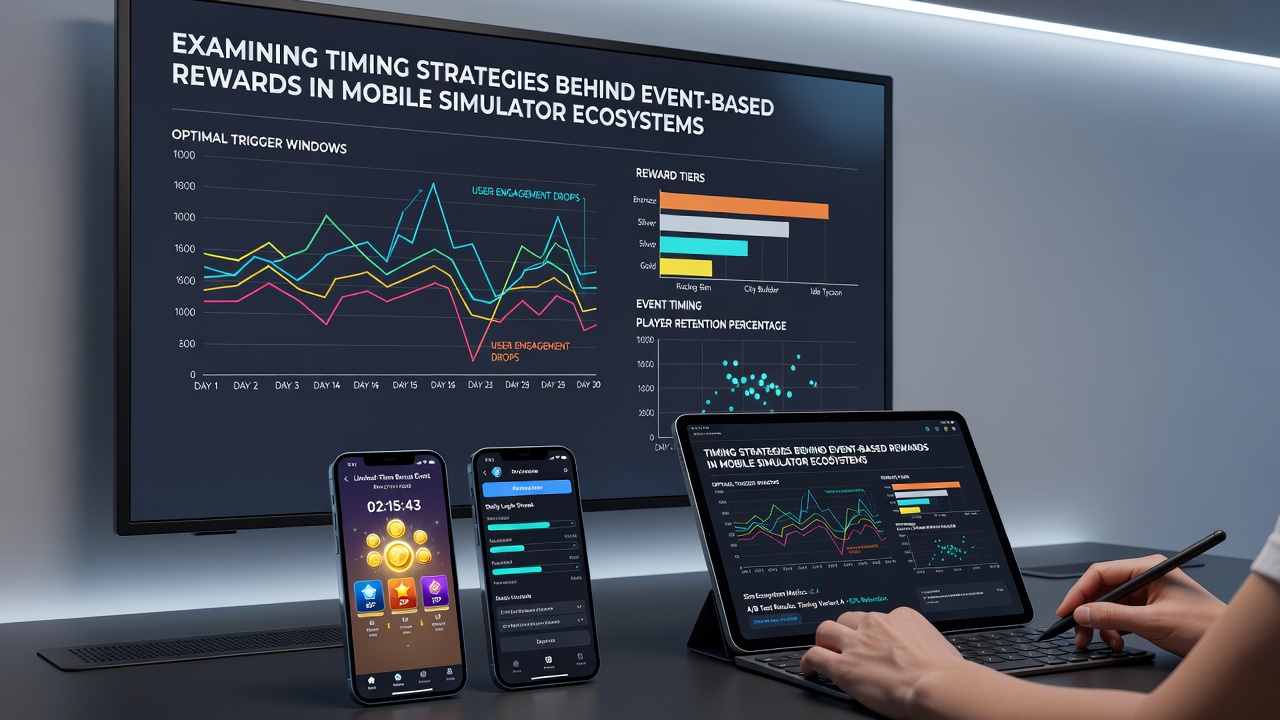
Event-based rewards operate through carefully calibrated timing windows that developers deploy across mobile simulator ecosystems, where players manage resources, build structures, and complete tasks over extended periods. Data from industry tracking services indicates these systems rely on daily cycles, weekly resets, and seasonal launches to maintain engagement metrics, with simulators often featuring overlapping events that require players to allocate time between farming mechanics, crafting loops, and collection goals. Researchers at institutions like the University of Southern California have documented how these patterns influence retention rates in titles that blend simulation elements with progression systems.
Timing strategies typically begin with server-side clocks that align rewards to player time zones, creating staggered availability windows that prevent simultaneous overload on game servers. According to reports compiled by the Entertainment Software Association, mobile simulator titles released or updated through 2025 demonstrate consistent use of evening launch times for major events, which correspond with peak user activity periods in multiple regions. This approach allows developers to introduce limited-time boosts such as double resource yields or exclusive item drops while monitoring real-time participation data.
Core Components of Timing Frameworks
Daily login sequences form the foundation of most reward ecosystems, delivering incremental benefits that accumulate when players return at consistent intervals, while extended events span multiple days or weeks and layer additional objectives on top of base gameplay. Observers note that simulator developers frequently position these longer events to coincide with real-world calendar markers, such as monthly milestones or holiday periods, which increases visibility without requiring separate marketing pushes. Figures from global app analytics platforms reveal that events timed to start mid-week often sustain higher completion rates than those launched on weekends, because players maintain steadier session lengths during weekdays.
Seasonal rotations add another layer, cycling themes like harvest festivals or industrial expansions that reset progress trackers and introduce fresh reward tiers. These cycles operate on fixed calendars that developers announce weeks in advance, giving players time to plan resource allocation. Data collected across multiple platforms shows that simultaneous overlapping events in the same ecosystem can split player attention, prompting some titles to stagger start dates by 48 to 72 hours to balance load and encourage continued participation.
Regional Variations and Player Behavior Data
Implementation differs by region because of varying player demographics and connectivity patterns. European markets, tracked through reports from the European Games Developer Federation, tend to favor events that align with afternoon hours across time zones, whereas North American releases often prioritize late-evening starts that capture after-work audiences. Australian regulatory bodies including the Australian Competition and Consumer Commission have published usage statistics indicating that reward timing in simulators affects session duration most noticeably when events overlap with local school holiday schedules.

June 2026 brings several documented simulator updates that continue these established timing practices, with multiple titles scheduling mid-month resets for resource-based events that reward consistent daily logins over a 14-day window. Analysts tracking these deployments report that developers monitor drop-off points around day seven of each cycle and adjust bonus multipliers accordingly to retain participants who might otherwise disengage.
Measurement of Timing Effectiveness
Effectiveness metrics focus on participation percentages, average time spent per session, and conversion rates for optional purchases tied to event progress. Studies compiled by academic groups at Canadian universities demonstrate that events with clear countdown timers visible on the main interface generate higher return rates than those without visible deadlines. Developers therefore embed these timers directly into the simulation interface rather than placing them in separate menus.
Cross-event comparisons show that reward density, defined as the number of achievable milestones within a given timeframe, correlates with timing choices more strongly than with reward value alone. When events run for shorter durations with denser objectives, players report completing more tasks per hour spent, according to aggregated survey data released by independent research firms. Longer events spread across three or four weeks instead emphasize cumulative login streaks that reward steady habits over intense bursts.
Conclusion
Timing strategies in mobile simulator reward systems continue to evolve through iterative adjustments based on participation data collected across global user bases. Developers maintain these frameworks by aligning event windows with observed activity peaks, regional differences, and seasonal markers while monitoring how overlapping cycles affect overall ecosystem balance. Reports from organizations such as the Entertainment Software Association and university research teams provide ongoing documentation of these mechanics, which shape how players interact with simulation progression features throughout each calendar year.