Examining Synchronization Methods for Bonus Distributions in Popular Mobile and PC Titles
Written by Ines Powell · Jun 23, 2026
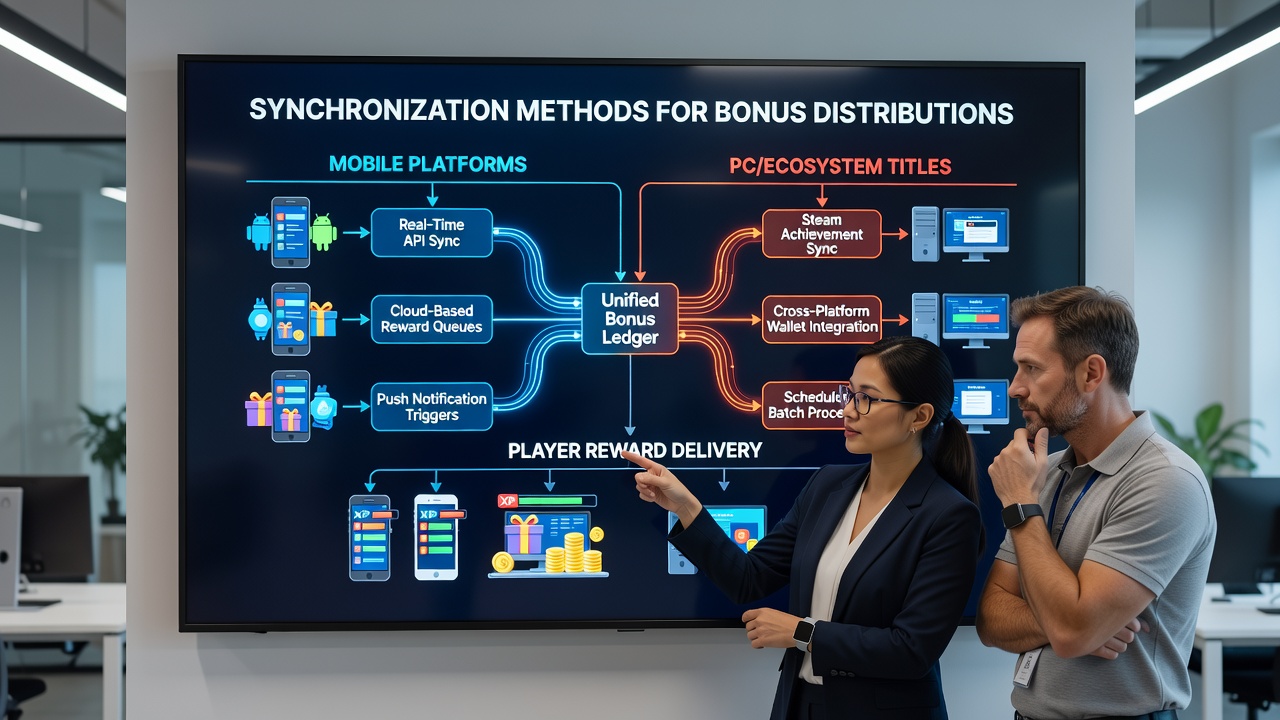
Examining Synchronization Methods for Bonus Distributions in Popular Mobile and PC Titles
Developers in the gaming industry rely on several synchronization techniques to manage bonus distributions in mobile and PC titles, ensuring rewards reach players accurately across different devices and sessions. These methods handle everything from daily login incentives to event-based prizes while maintaining consistency between client applications and backend servers. Data from industry reports shows that synchronization failures can lead to duplicated rewards or lost progress, prompting ongoing refinements in how studios approach these systems.
Core Synchronization Approaches in Modern Games
Many studios implement client-server models where the server acts as the authoritative source for all bonus data, and clients request updates at regular intervals or during key events like level completions. This setup uses APIs to transmit information securely, often incorporating timestamps and unique identifiers to track each distribution. Researchers at various academic institutions have documented how such architectures reduce discrepancies, particularly in titles that support cross-platform play. Another common technique involves token-based systems, where bonuses are represented as encrypted tokens that expire after redemption, preventing multiple claims from the same account.
Batch processing offers an alternative for games with high player volumes, grouping bonus updates into scheduled cycles rather than handling them individually in real time. Observers note that this approach appears frequently in simulation and strategy games, where it balances server load while still delivering rewards within acceptable timeframes. Real-time synchronization, by contrast, pushes updates immediately through websockets or similar protocols, which suits fast-paced mobile titles that reward quick actions during live events.
Challenges and Technical Considerations
Network variability creates persistent issues for synchronization, especially when players switch between mobile data and Wi-Fi or experience interruptions during bonus claims. Engineers address this through conflict resolution algorithms that prioritize the most recent server state and log any mismatches for later review. Studies from university research programs indicate that these algorithms have grown more sophisticated since the widespread adoption of cloud-based services, allowing recovery of pending bonuses once connectivity resumes.
Security remains a central concern because unsynchronized bonuses can be exploited through modified clients or timing attacks. Industry organizations such as the Entertainment Software Association have highlighted the need for checksum validations and server-side verification in their annual technology overviews. Those who've examined codebases across popular titles observe that many now combine these checks with machine learning models to flag anomalous distribution patterns before they affect player accounts.

Implementation Examples Across Platforms
Popular mobile games often favor lightweight polling mechanisms that check for new bonuses every few minutes, conserving battery life while keeping reward data current. PC titles, meanwhile, frequently integrate deeper with operating system features like background services that maintain persistent connections to distribution servers. One study revealed that hybrid approaches combining both polling and push notifications have become standard in games released after 2024, reflecting broader trends in device capabilities.
Cross-save functionality adds another layer, requiring bonuses earned on mobile to appear seamlessly on PC versions linked to the same account. Data shows that successful implementations use unified player profiles stored in centralized databases, with regional servers handling localized event bonuses to comply with varying regulations. The Australian Competition and Consumer Commission has issued guidance on transparent reward systems that indirectly influences how studios document these synchronization flows for users.
Recent Developments as of June 2026
By June 2026, several major studios had adopted edge computing nodes to reduce latency in bonus distributions, placing processing closer to players and minimizing delays during peak hours. Figures from the Interactive Software Federation of Europe reveal increased investment in these distributed systems among European developers, driven by rising expectations for instant reward delivery in both mobile and PC environments. What's interesting is how these changes coincide with expanded use of blockchain elements for verifiable bonus histories in select titles, though adoption remains limited to specific genres.
Conclusion
Synchronization methods for bonus distributions continue to evolve alongside advances in networking and server technology, with developers balancing speed, security, and reliability across mobile and PC platforms. Evidence from multiple sources demonstrates that effective implementations rely on layered verification and adaptive processing to meet player demands without compromising system integrity. As gaming ecosystems expand, these techniques will likely incorporate further refinements drawn from ongoing research and regulatory feedback.