Limited Edition Unlocks Drive Engagement in Virtual Treasure Hunts Across Action and Simulation Genres
Written by Mara Lehmann · Aug 13, 2026
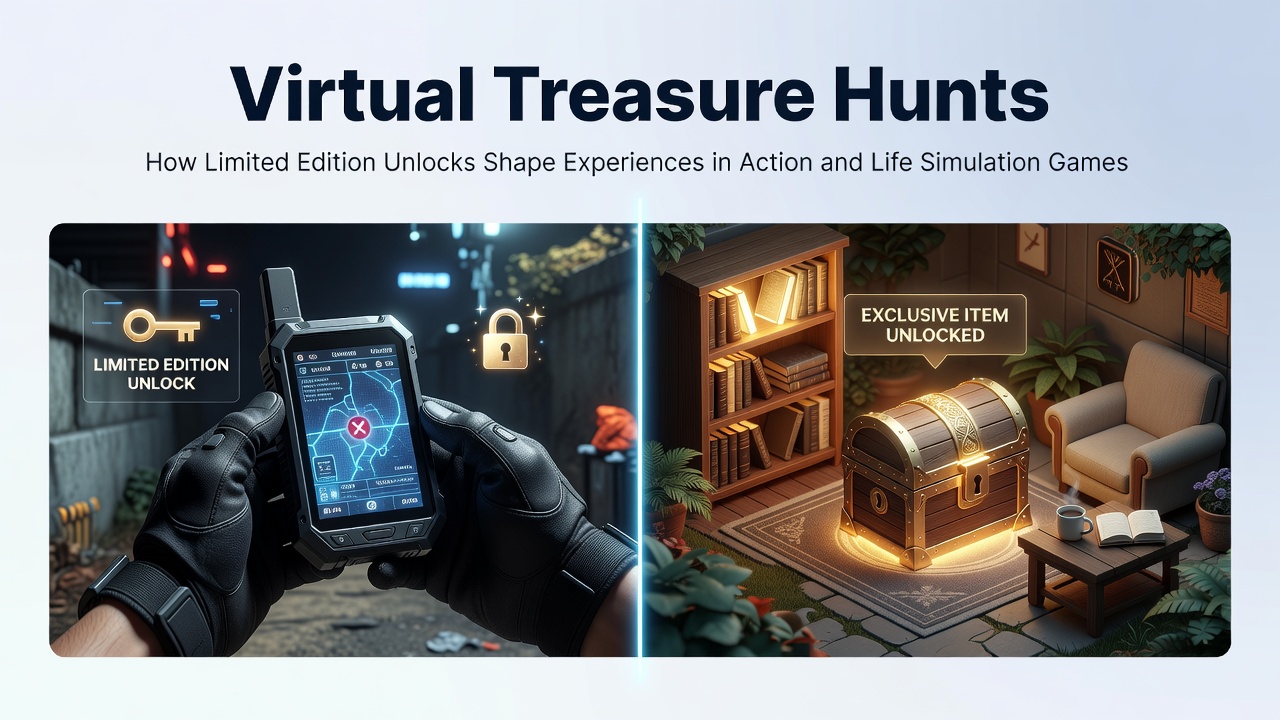
Limited Edition Unlocks Drive Engagement in Virtual Treasure Hunts Across Action and Simulation Genres
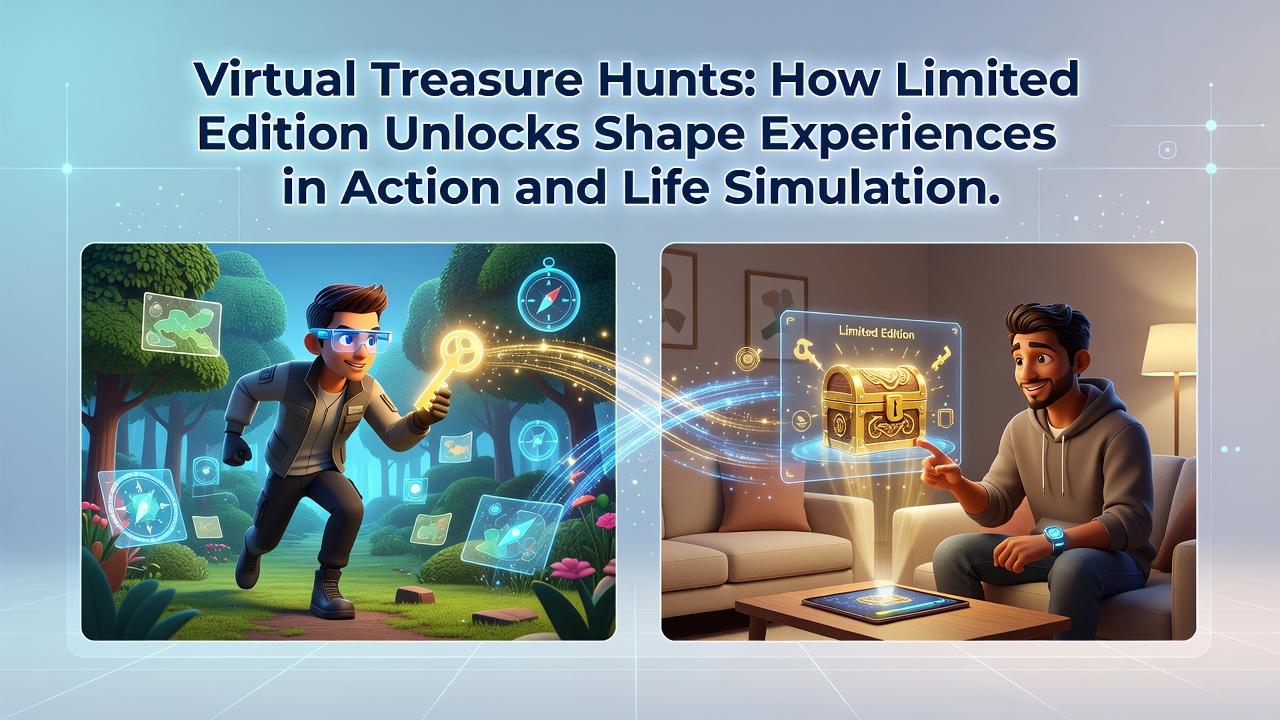
Virtual treasure hunts integrate limited edition unlocks into gameplay loops that keep players returning to action titles and life simulation experiences, and these mechanics often combine exploration challenges with time-sensitive rewards. Developers design these systems so that players hunt for hidden items, complete event-specific tasks, and claim rewards that expire after set periods, which creates urgency without requiring constant online presence.
Mechanics Behind Virtual Treasure Hunts in Action Games
Action games frequently embed treasure hunts within open-world environments where limited edition unlocks appear as exclusive weapons, vehicle skins, or character emotes tied to seasonal events. Players locate clues scattered across maps, solve environmental puzzles, and compete against timers that reset daily or weekly. Data from the Entertainment Software Association indicates that such limited-time features accounted for measurable increases in session length during 2025, and similar patterns continued into August 2026 when several major studios refreshed their event calendars.
One developer team that launched a summer treasure hunt in an action shooter observed that participation rates climbed when the unlocks included both cosmetic and functional upgrades, while community forums documented players coordinating in real time to locate rare spawn points. These hunts typically last between seven and fourteen days, after which the items move to permanent collections or vanish entirely, which influences how quickly players prioritize their schedules.
Integration in Life Simulation Titles
Life simulation games apply the same limited edition approach to virtual treasure hunts that revolve around collecting furniture sets, pet variants, or neighborhood landmarks. Players follow narrative prompts, interact with non-player characters, and gather clues that unlock exclusive home decorations or story branches available only during the event window. Researchers at several European universities have tracked how these features encourage repeated logins, because missing the window means waiting for potential re-releases that may never occur.
Observers note that simulation titles often layer social elements onto the hunts, allowing players to trade hints or share screenshots of their discoveries, and this community layer extends the experience beyond individual play sessions. In August 2026, multiple simulation franchises introduced cross-platform events that synchronized hunt progress across mobile and console versions, which broadened access while maintaining the scarcity of the limited rewards.
Player Behavior Patterns and Retention Data
Studies conducted by independent research groups show that limited edition unlocks correlate with higher retention metrics when the treasure hunt difficulty scales gradually, allowing newcomers to participate alongside veterans. Players often report that the combination of exploration and exclusivity creates memorable moments, and developers respond by adjusting spawn rates based on telemetry collected during early event days.
Industry reports from Australian gaming associations reveal that action and simulation titles using these mechanics saw average daily active users rise by double-digit percentages during peak event months, and the effect persisted for several weeks afterward as players discussed strategies in external communities. The pattern holds because the unlocks serve as both status symbols and functional advantages, giving players tangible reasons to invest time before the window closes.
Technical Implementation and Event Design
Engineers build these systems with backend timers and randomized loot tables that refresh at predetermined intervals, ensuring fairness across regions while preventing early spoilers from dominating global leaderboards. Sound design and visual cues guide players toward hidden items without explicit markers, which preserves the discovery aspect central to treasure hunt appeal. When an event concludes, the code that supported the limited unlocks often gets archived or repurposed for future seasons, which streamlines development cycles and reduces redundant work.
Case examples include one action franchise that reused core hunt logic across three consecutive years, each time introducing new limited items tied to narrative expansions, and players who completed prior events carried forward certain advantages that influenced later strategies. Simulation developers have adopted similar modular approaches, allowing them to swap themes seasonally while keeping the underlying clue-and-reward structure intact.
Future Outlook Through 2026 and Beyond
Analysts tracking the sector expect continued refinement of limited edition mechanics as augmented reality tools become more common in mobile action and simulation experiences. Events scheduled for late 2026 already list collaborations with external brands that will introduce cross-media treasure hunts, where physical products unlock digital counterparts for limited periods. This expansion builds on existing data showing that players respond positively when unlocks connect multiple platforms without compromising the core hunt experience.
Conclusion
Virtual treasure hunts supported by limited edition unlocks continue to shape how players engage with action and life simulation games through structured exploration, time-bound rewards, and community interaction. Industry figures and academic observations confirm that these features sustain interest across repeated events, and developers maintain flexibility by iterating on past successes while introducing new themes each cycle. As August 2026 events unfold, the same principles of scarcity and discovery remain central to the design approach that has proven effective across genres.