19 Jul 2026
Mapping Incentive Structures Across Open-World Exploration and Building Games
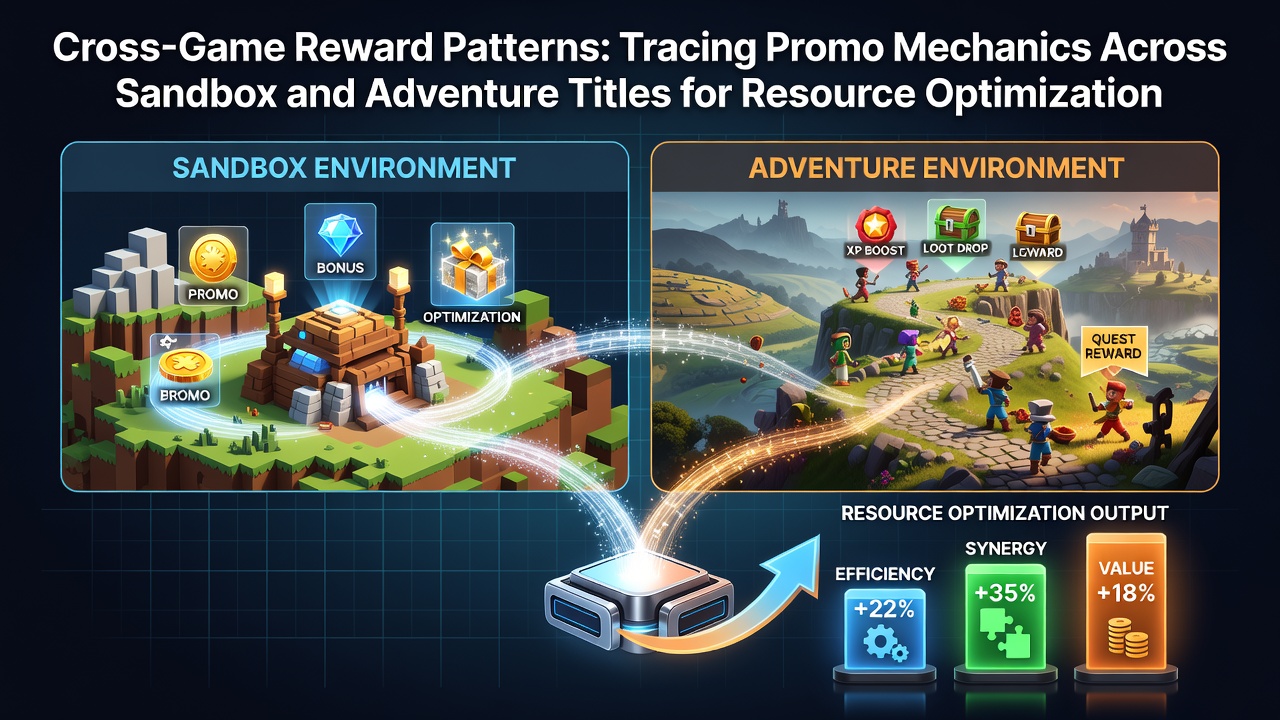 Developers continue to refine promo mechanics in sandbox and adventure titles as players seek efficient ways to manage in-game resources, while patterns emerge from consistent design choices that span multiple genres and release cycles. These systems often tie temporary events to permanent progression elements, allowing users to accumulate materials, currencies, and upgrades through timed challenges rather than direct purchases alone. Studies from industry groups reveal that sandbox environments such as those centered on construction and survival reward players for sustained world-building activities, whereas adventure titles emphasize narrative milestones and exploration checkpoints. Data collected through 2025 and into mid-2026 indicates that cross-game similarities appear most clearly during seasonal updates, when both categories introduce limited-time resource multipliers that align with player login streaks and community events.
Core Components of Promo Mechanics
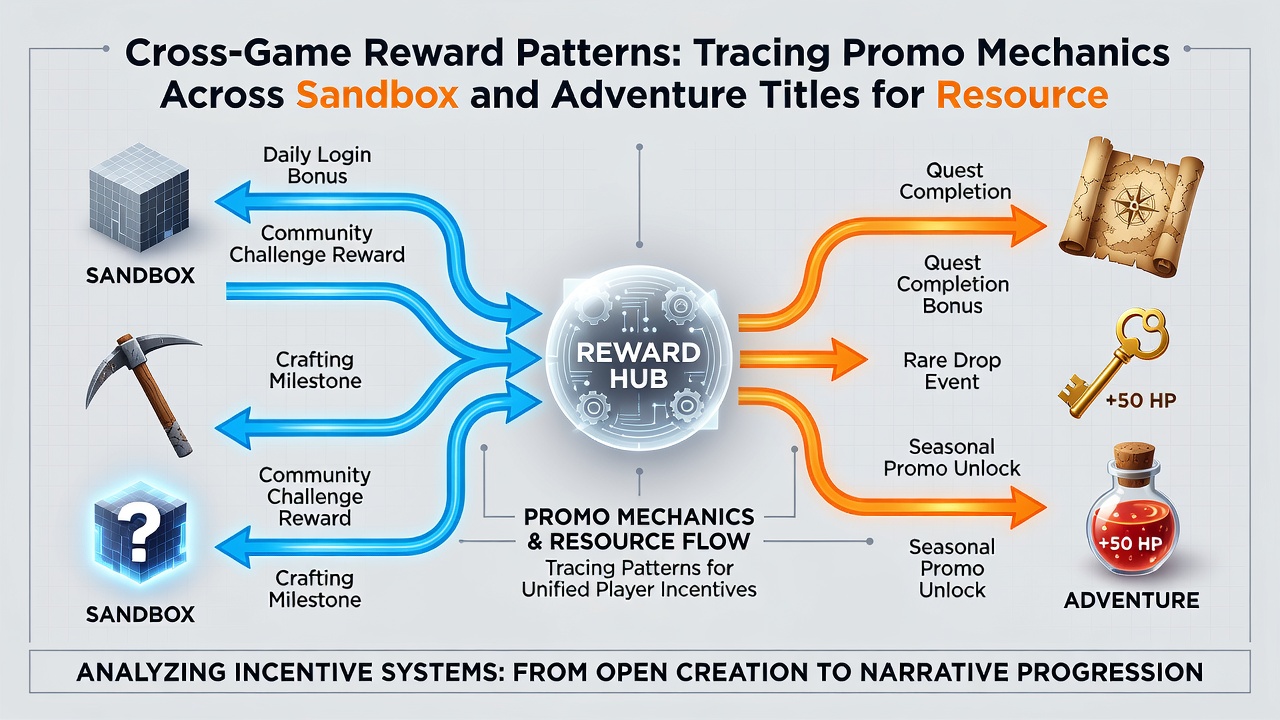
Promo mechanics typically consist of daily login bonuses, event-specific item drops, and cross-promotional collaborations between titles from the same publisher. Researchers at the Entertainment Software Association note that these elements function together to create resource optimization loops where players trade time investment for accelerated collection rates. In sandbox games the loops often center on crafting tables and inventory management, while adventure games integrate them into quest chains and map traversal rewards.
Observers have documented how both genres use tiered reward tables that scale with player level or world progress. A player who completes a resource-gathering task in one title may receive a transferable cosmetic or currency boost that appears in a companion adventure release, creating continuity across separate experiences.
Patterns Observed in Sandbox Titles
Sandbox titles display recurring structures where resource nodes respawn according to fixed timers, and promo codes or event codes accelerate collection without altering core gameplay loops. Figures from academic papers published by Canadian university game studies programs show that players optimize these systems by prioritizing high-yield nodes during bonus windows, then converting excess materials into durable upgrades that persist beyond the event period.
One documented approach involves chaining multiple short tasks that each grant small resource packets, which players combine into larger stockpiles. This method appears consistently across building-focused releases because the underlying engine mechanics allow for bulk storage and automated collection stations.
Adventure Title Comparisons and Shared Trends
Adventure titles incorporate similar promo structures yet route them through story beats and hidden collectibles rather than open-world node farming. Data compiled by the Interactive Games and Entertainment Association in Australia highlights that reward density increases near narrative turning points, encouraging players to revisit earlier zones with upgraded tools obtained during limited events.
Crossovers between sandbox and adventure releases have become more frequent, with shared reward pools appearing in July 2026 updates across several major franchises. Players who engage with both genres report optimized resource use when they time event participation to coincide with new content drops, thereby maximizing the value of each login session.
Resource Optimization Techniques
Optimization relies on understanding how different promo layers interact with base game economies. Players track event calendars, calculate expected yields from each activity type, and allocate playtime toward the highest return options available during any given week. Research indicates that those who maintain spreadsheets or in-game tracking tools achieve measurably higher resource totals over multi-month periods.
Yet the underlying design remains consistent across regions and studios, because publishers draw from the same pool of engagement metrics when planning future events. European regulatory filings from 2025 demonstrate that disclosure requirements for in-game economies have prompted clearer communication of reward probabilities, which in turn helps players plan their optimization strategies more effectively.
Conclusion
Cross-game reward patterns continue to evolve as sandbox and adventure titles incorporate shared mechanics that reward deliberate resource management. The structures observed through mid-2026 demonstrate that developers rely on predictable event cycles and tiered incentives to maintain engagement while giving players concrete tools for optimization. Those who study these systems across multiple releases gain clearer insight into how time and effort translate into lasting in-game advantages.