Player Engagement Through Reward Systems in Digital Games
Written by Otto Wolf · Jul 28, 2026
Player Engagement Through Reward Systems in Digital Games
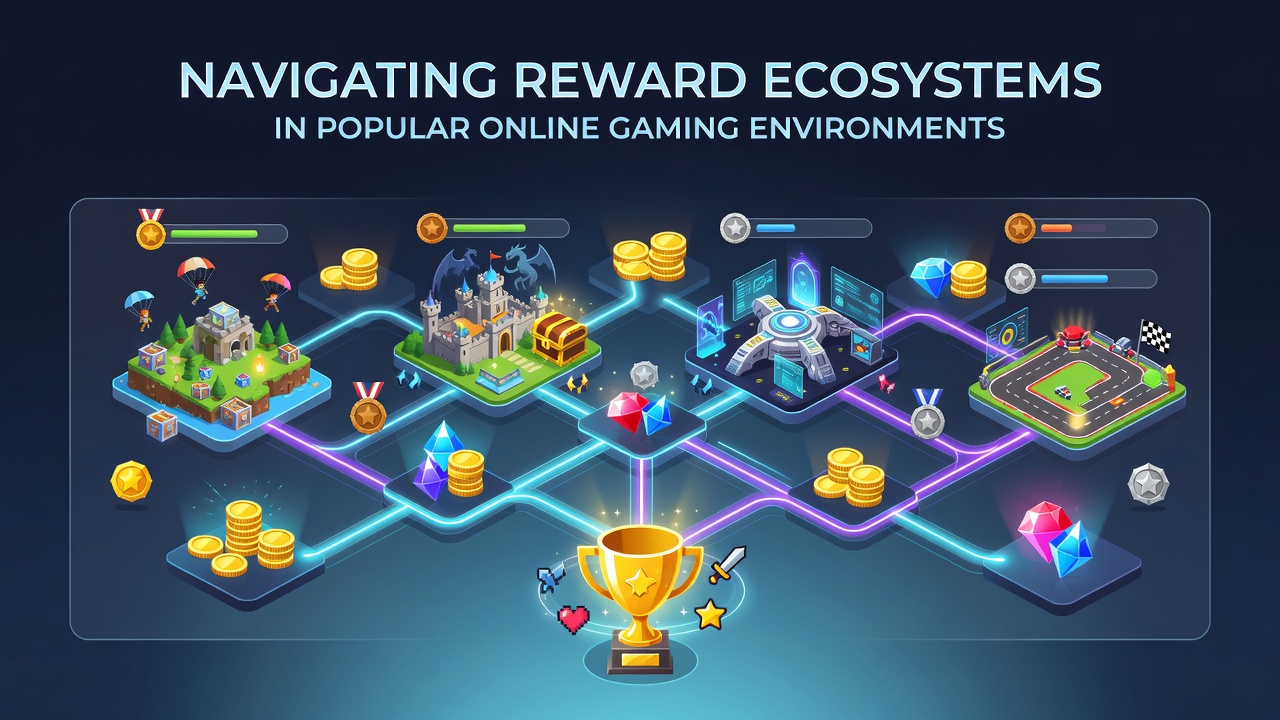
Online gaming environments feature intricate reward ecosystems that combine daily login bonuses, achievement milestones, seasonal battle passes, and virtual currencies across titles like Fortnite, Genshin Impact, and World of Warcraft, and data from industry reports shows these systems drive consistent player retention rates above 60 percent in major releases during 2025. Observers note that developers integrate multiple layers of incentives so players progress through free and paid tracks simultaneously, while cross-platform synchronization allows progress to carry between devices without interruption.
Core Components of Modern Reward Structures
Reward systems typically rely on time-gated events, randomized loot distributions, and progression trees that unlock cosmetic items or functional upgrades, and researchers at academic institutions have documented how these elements interact to form closed economies within each game. Battle passes appear in dozens of live-service titles where players complete weekly challenges to earn tiers, yet free tracks provide limited rewards compared to premium versions that require upfront purchases or subscriptions. Virtual currencies such as V-Bucks or Genesis Crystals serve as intermediaries that convert real money into in-game value, and transaction logs from platform providers indicate steady growth in microtransaction volumes through mid-2026.
Daily login streaks and login calendars create habitual engagement patterns, while limited-time events tied to holidays or anniversaries introduce scarcity that encourages immediate participation. One study from a European university tracked player behavior across three major titles and found that combined reward layers increased average session length by 25 minutes compared to games without structured incentives.
Player Strategies Across Different Titles
Those who navigate these ecosystems effectively often prioritize high-value activities such as completing event-specific objectives before focusing on standard dailies, and community forums document methods for optimizing resource allocation between multiple games. In games with gacha-style systems, players track pity timers and banner schedules to maximize pulls during favorable periods, whereas titles with crafting loops require careful material farming routes that align with reward multipliers.
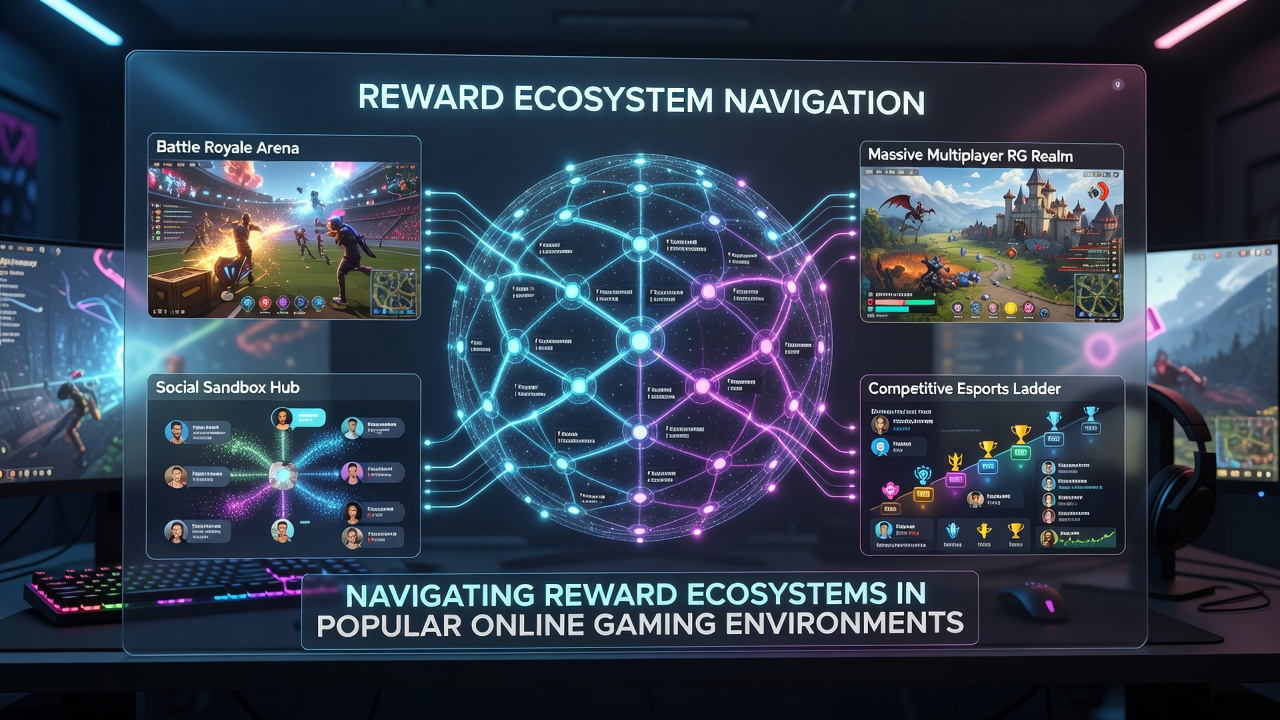
Cross-game comparisons reveal that some platforms allow reward redemption across affiliated titles, creating larger ecosystems where progress in one game influences options in another. Data indicates that players who maintain spreadsheets or use third-party trackers manage their time more efficiently, especially when juggling several live-service games with overlapping event calendars. In July 2026 several major publishers are scheduled to align seasonal resets across franchises, which will require coordinated planning for participants who follow multiple titles.
Regulatory and Industry Context
Government bodies have begun examining transparency requirements around randomized rewards, and the Entertainment Software Association reports that member companies have implemented clearer disclosure practices in response to consumer feedback. The Australian Competition and Consumer Commission has issued guidelines on digital purchases that affect how reward probabilities are presented in certain regions. Industry organizations note that self-regulatory measures continue to evolve alongside new legislation in multiple jurisdictions, creating a patchwork of compliance standards that developers must track.
Emerging Trends and Platform Adaptations
Platform holders such as Steam, Epic Games Store, and console manufacturers have introduced unified reward dashboards that aggregate progress across titles, reducing fragmentation for users who participate in several ecosystems. Recent updates incorporate AI-driven personalization that tailors challenge recommendations to individual play styles, and preliminary figures reveal higher completion rates for suggested tasks compared to generic lists. Observers note that integration with streaming services and social features further amplifies visibility of rewards, turning personal achievements into shareable content that attracts new participants.
Conclusion
Reward ecosystems in popular online gaming environments continue to expand in complexity as developers balance player retention goals with regulatory expectations and technical capabilities. Those who study these systems gain clearer insight into how progression mechanics influence time investment and spending patterns across the industry, and ongoing updates through 2026 will likely introduce additional layers that reshape existing navigation approaches.