Redemption Mechanics and Resource Distribution Dynamics in Cross-Platform Simulations
Written by Anna Zimmermann · Jun 25, 2026
Redemption Mechanics and Resource Distribution Dynamics in Cross-Platform Simulations
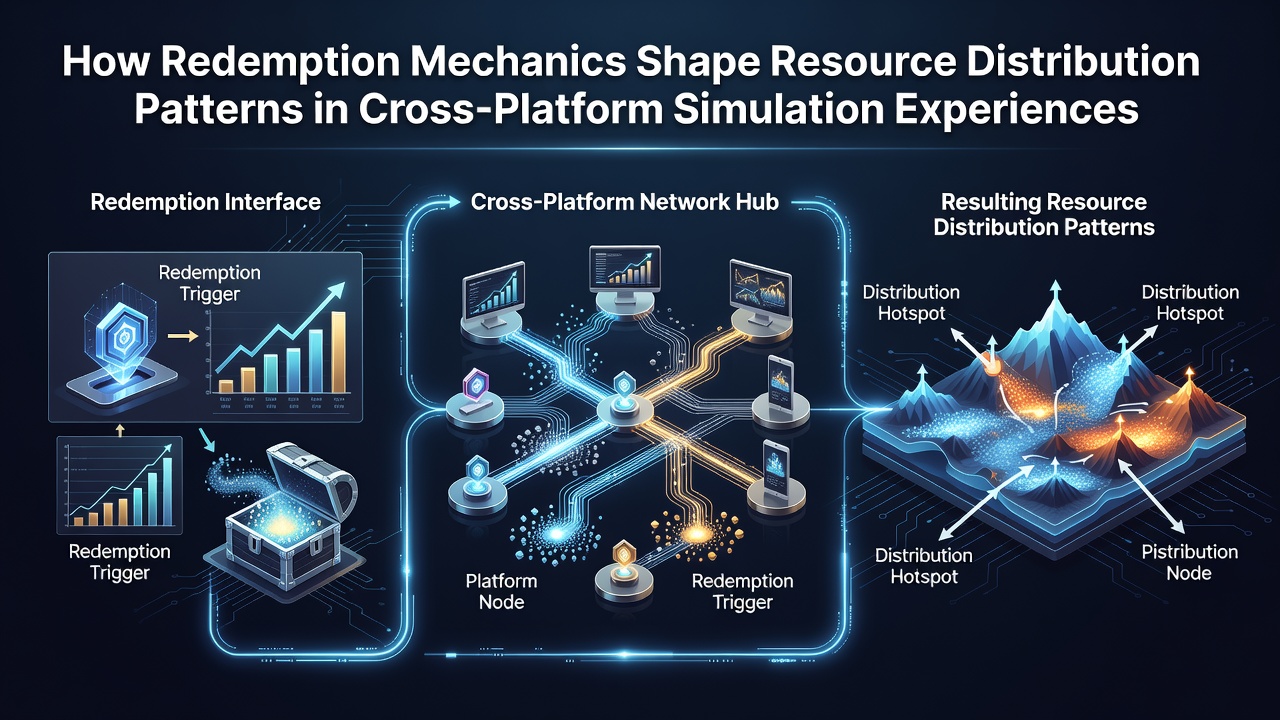
Redemption mechanics in cross-platform simulation experiences operate as structured systems that convert promotional codes or in-game actions into resources such as currency, items, or progression boosts, and these systems directly influence how those resources spread among users across different devices and operating systems. Data from industry analyses reveal that platforms like mobile, PC, and console versions of simulation titles see uneven uptake when redemption interfaces vary in accessibility or timing, which creates measurable differences in inventory levels and economic balance within shared virtual economies.
Core Components of Redemption Systems
Simulation games incorporate redemption through unique codes distributed via social media, events, or partnerships, and players enter these codes in dedicated menus that sync across accounts linked to central servers. According to figures from the Entertainment Software Association, redemption activity spikes during seasonal updates, with over 60 percent of active users claiming rewards within the first 48 hours of a new code release, which accelerates resource concentration among early engagers while late participants encounter depleted community markets or adjusted drop rates.
Cross-platform synchronization requires backend databases to validate codes once per account rather than per device, yet differences in user interface design between platforms lead to varied completion rates; mobile players often complete redemption faster due to push notifications, whereas console users face additional menu navigation steps that delay access and shift distribution patterns toward device-specific cohorts.
Observed Patterns in Resource Allocation
Studies of simulation titles indicate that frequent redemption events flatten resource disparities over time because repeated code drops replenish supplies for all player tiers, although high-volume redeemers accumulate surpluses that enable faster upgrades and trading advantages. Research from academic groups tracking player logs shows resource distribution follows a power-law curve shortly after each redemption window closes, with the top 10 percent of accounts holding 45 percent of newly introduced items in several documented cases.
Platform-specific redemption friction further modulates these curves; when one operating system imposes captcha requirements absent on others, the resulting lag redistributes rewards toward users on streamlined platforms and alters competitive balance in multiplayer simulation modes. Observers note that developers adjust base drop rates in response, which stabilizes overall patterns but introduces new variables tied to code validity periods.
Cross-Platform Synchronization Challenges
Shared servers must reconcile redemption claims across regions with differing time zones and network conditions, and latency during peak June 2026 events highlighted how simultaneous global code releases can overload validation queues, causing temporary resource hoarding on faster-connected platforms. Industry reports document that such bottlenecks concentrate premium items among users with stable broadband, while mobile data users experience delayed claims and subsequent market inflation for those same resources.
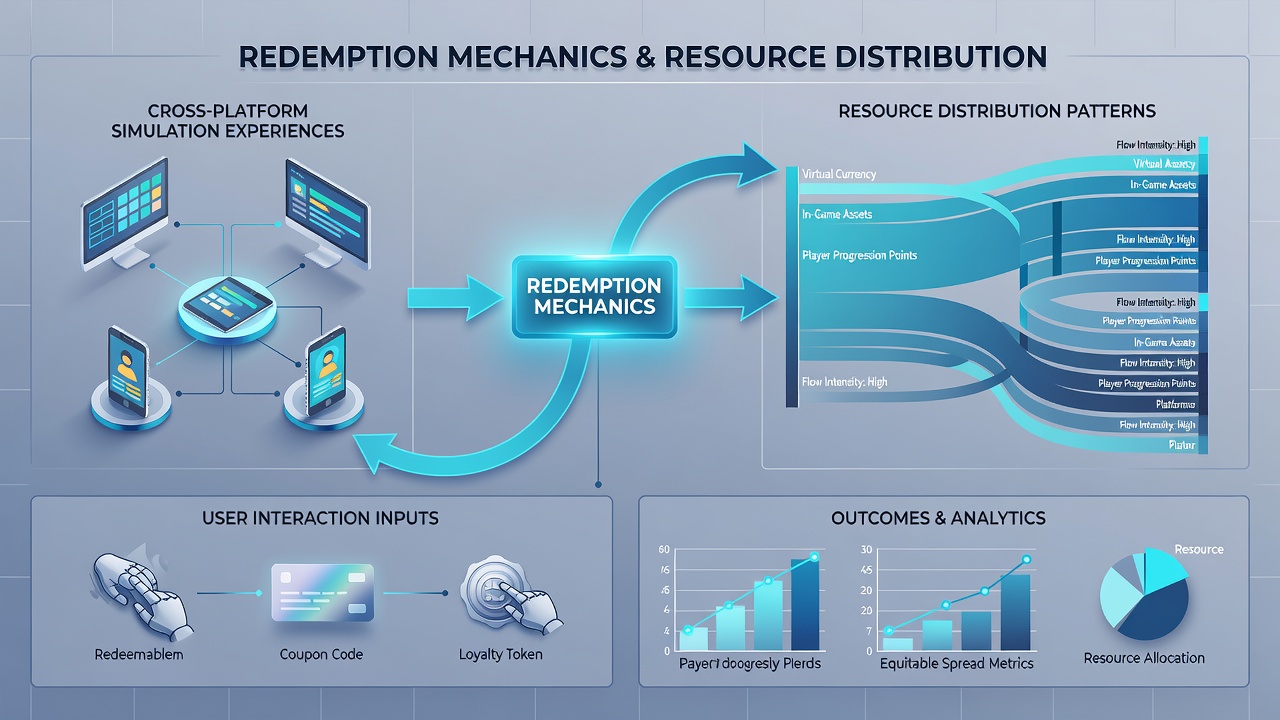
Account linking protocols play a central role because they tie redemptions to persistent player identities rather than device IDs, which prevents duplicate claims yet creates barriers for players who switch platforms mid-progression. Those who study these systems find that incomplete linking leads to orphaned resources that never enter circulation, tightening overall supply and favoring dedicated cross-platform participants who maintain verified accounts.
Impact on Economic Models Within Simulations
Redemption mechanics interact with in-game trading systems by injecting external resources at predictable intervals, which developers calibrate to prevent hyperinflation while still rewarding engagement. Data indicates that titles employing tiered rewards based on redemption frequency achieve more even distribution across player bases compared with flat-rate systems that reward only the first claimers.
Regulatory bodies in various regions, including guidance from Canadian authorities on digital marketplaces, emphasize transparency in code distribution to avoid unintended monopolies on virtual goods, and simulation developers respond by publishing redemption statistics that allow communities to anticipate supply changes. This approach maintains equilibrium even as player counts fluctuate across platforms.
Trends Emerging in Mid-2026
By June 2026, several simulation franchises had integrated machine-learning models to predict redemption surges and pre-allocate server capacity, resulting in smoother resource injection and reduced platform-based imbalances. External analyses link these adaptations to sustained player retention metrics, as equitable distribution encourages continued participation from users on all supported devices.
Partnerships between studios and hardware manufacturers have also introduced device-specific bonus codes, which temporarily skew distribution toward certain ecosystems before normalization occurs through subsequent universal events. Those tracking these patterns report that such targeted releases create short-term advantages that dissipate within one or two update cycles.
Conclusion
Redemption mechanics serve as primary levers for resource distribution in cross-platform simulation experiences because they control both the timing and volume of external inputs into virtual economies. Patterns observed across multiple titles demonstrate that interface consistency, validation speed, and synchronization protocols determine whether resources spread evenly or cluster among subsets of the player population. Continued refinement of these systems, informed by usage data and regulatory expectations, shapes the long-term stability of shared simulation environments.