14 Jul 2026
Reward Distribution Mechanisms in Digital Entertainment and Their Influence on Player Retention
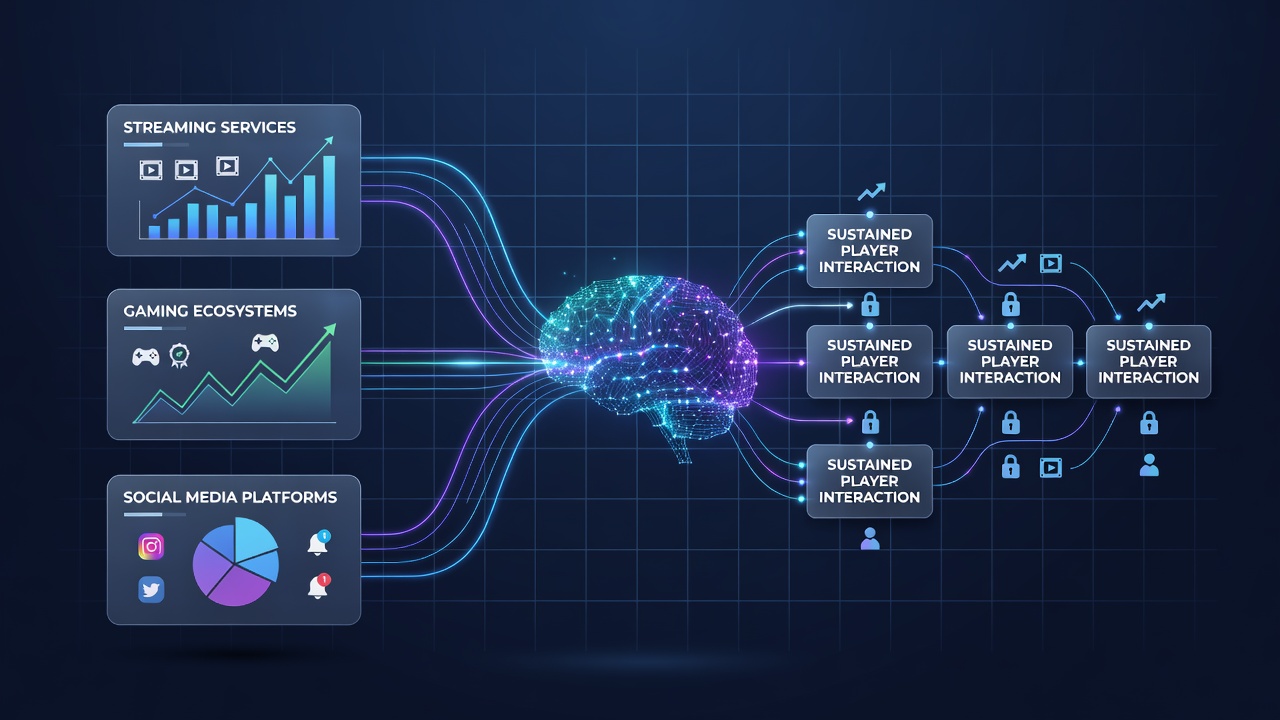
Digital entertainment platforms employ diverse reward distribution mechanisms that shape how users maintain engagement over time, and analysts track these systems through large-scale data collection from mobile games, console titles, and online communities alike.
Core Types of Reward Structures
Fixed reward schedules deliver predictable items at set intervals such as daily login bonuses or milestone achievements, whereas randomized systems like loot boxes or gacha mechanics introduce variable outcomes that depend on probability tables determined by platform operators. Researchers have documented both approaches across thousands of titles, noting that fixed systems often encourage routine check-ins while variable ones can extend session lengths when rare items appear at higher frequencies during promotional events.
Progression-based rewards tied to skill milestones or social interactions appear frequently in multiplayer environments, and data indicates these create layered motivation where players return not only for personal gains but also to maintain group status within communities.
Observed Distribution Patterns
Studies of player behavior reveal that reward density tends to front-load heavily in early stages to build momentum, then tapers into longer cycles that require sustained activity to unlock further tiers. Platform operators adjust these curves based on aggregated telemetry, with patterns showing higher retention when rewards scale gradually rather than spiking dramatically at launch and then dropping off.
Seasonal events in July 2026 demonstrated increased reward frequency across multiple platforms, correlating with measurable upticks in daily active users during those windows according to industry tracking services. Observers note that platforms in different regions apply similar tapering strategies yet calibrate probabilities differently to align with local player preferences and regulatory expectations.
Impact on Sustained Interaction
Evidence from longitudinal player tracking shows that balanced reward pacing supports longer-term retention by avoiding both rapid exhaustion of content and excessive grinding that leads to drop-off. Platforms that integrate social rewards alongside individual progression often see compounded effects, where community participation reinforces individual habits and extends overall interaction periods.

Telemetry collected from major digital storefronts indicates that players exposed to mixed reward types maintain higher return rates compared to those facing purely random or strictly linear systems alone. The Entertainment Software Association has compiled reports highlighting these trends across North American markets, and similar patterns surface in data shared by European gaming research groups.
Regional Variations and Data Sources
Analyses from the Interactive Games and Entertainment Association in Australia point to distinct reward frequency preferences among players in that region, with emphasis on collaborative rewards boosting group retention metrics. Canadian studies have similarly examined how reward visibility in user interfaces affects perceived fairness and continued play, revealing that transparent probability disclosures can stabilize engagement levels even when outcomes remain variable.
These findings align with broader industry observations that reward distribution influences not just initial downloads but also the frequency and duration of repeat sessions across diverse platform types.
Conclusion
Patterns in reward allocation continue to evolve alongside platform capabilities and player expectations, with ongoing data collection providing clearer pictures of how different mechanisms sustain interaction. Platforms that refine these systems based on empirical feedback demonstrate measurable differences in retention curves, underscoring the connection between distribution design and long-term user activity across the digital entertainment landscape.