The Dynamics of Reward Ecosystems in Simulation Games and Mobile Adventures
Written by Mara Lehmann · Jun 9, 2026
The Dynamics of Reward Ecosystems in Simulation Games and Mobile Adventures
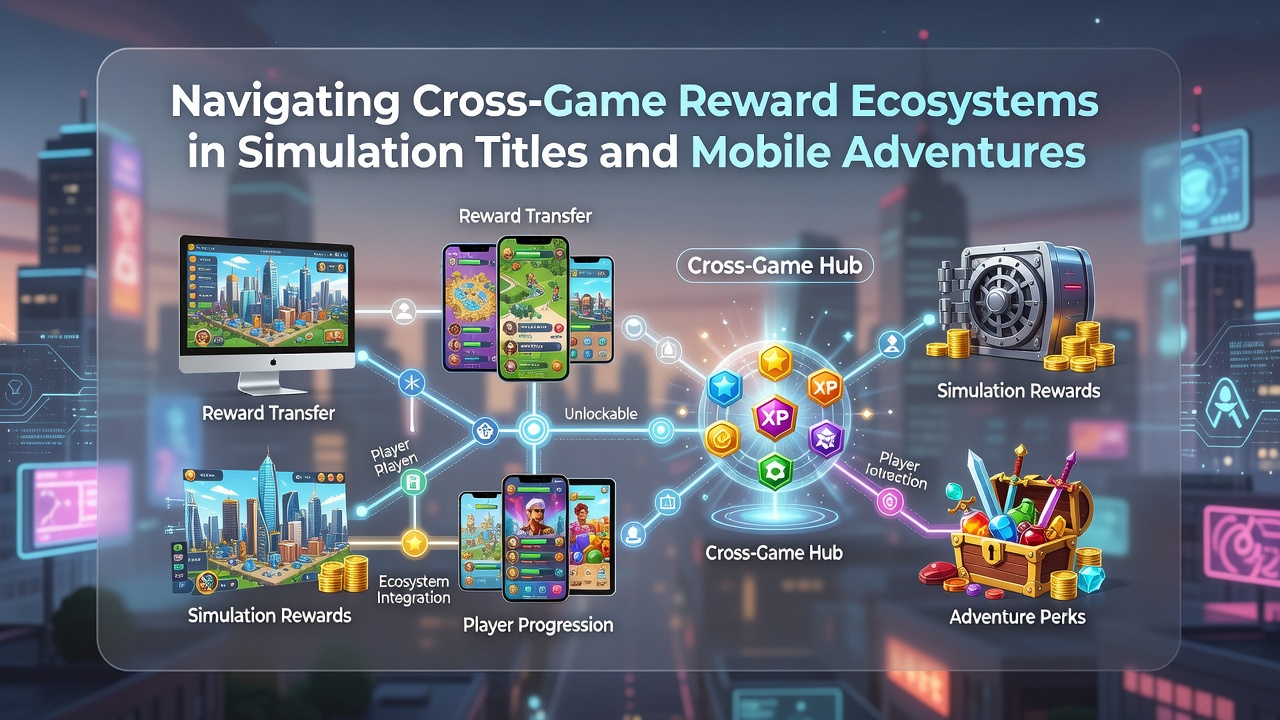
Simulation titles and mobile adventures have developed interconnected reward structures that allow players to transfer progress, currencies, and items between different games, creating ecosystems where actions in one title influence outcomes elsewhere, and data from industry reports shows these systems have expanded significantly since 2023 as developers seek to increase engagement across platforms.
Core Components of Cross-Game Reward Structures
Reward ecosystems operate through account linking mechanisms, shared currency pools, and cross-promotional events that connect simulation experiences such as farming or city-building games with mobile adventures involving exploration and collection, while researchers at various institutions have documented how these connections rely on centralized player profiles that store data across multiple applications developed by the same publisher or partnered studios.
Players often start by linking accounts via email or social logins, which then enables the transfer of rewards like virtual resources or experience points, and this process typically involves verification steps that comply with data protection standards set by regional authorities including those in the European Union and Canada. Observers note that such linkages reduce the need for repeated grinding in each title, yet they also require players to monitor terms that govern how rewards convert between different game economies.
Mechanics in Simulation and Adventure Contexts
In simulation titles, rewards frequently take the form of in-game resources such as crops, materials, or building upgrades that carry over to mobile adventures where they convert into tools, characters, or progression boosts, and studies from academic sources indicate that these conversions follow predefined exchange rates established by developers to maintain balance across the ecosystem. Mobile adventures contribute by offering event-based rewards that feed back into simulations, creating cycles where participation in limited-time challenges yields assets usable in both environments.
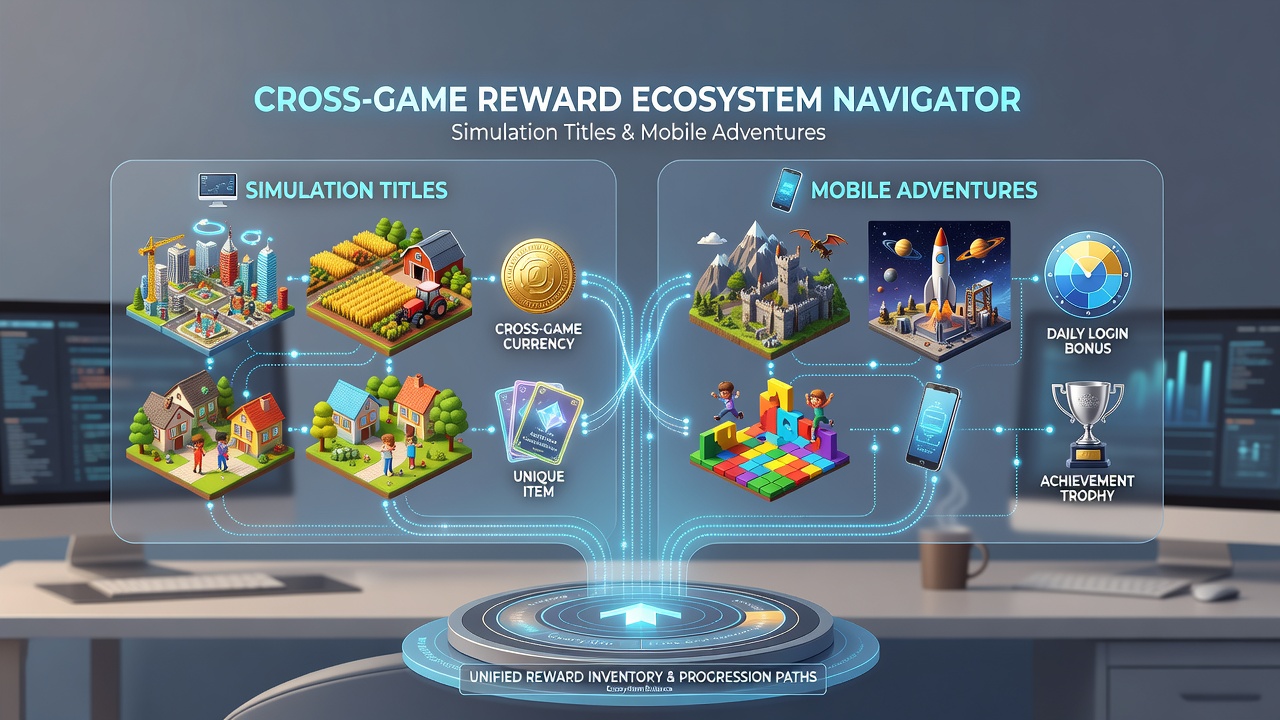
Account progression tracking plays a central role, with data servers updating player status in real time as rewards accumulate, and figures from trade organizations reveal that ecosystems incorporating these features see higher retention rates compared to standalone titles. Those who participate in multiple games within the same ecosystem often discover that daily login bonuses and milestone achievements accumulate across platforms, though conversion limitations prevent unlimited transfers to preserve individual game integrity.
Player Navigation Strategies and Platform Integration
Effective navigation begins with understanding publisher-specific ecosystems, where companies bundle simulation and adventure games under unified reward frameworks that players access through dedicated companion apps or web portals, and reports from organizations like the Entertainment Software Association highlight how these frameworks have grown to include cross-region compatibility features. Players track their rewards via in-app dashboards that display transferable balances alongside game-specific inventories, allowing for strategic decisions on when to redeem or hold assets for upcoming events.
Integration with mobile operating systems further streamlines the process through cloud saves and push notifications that alert users to cross-game opportunities, while data collected by analytics firms shows increased activity during coordinated update cycles. In June 2026, several major publishers rolled out enhanced synchronization tools that reduced latency in reward transfers between simulation and adventure titles, resulting in smoother experiences for users managing multiple accounts simultaneously.
Challenges in Managing Multi-Title Rewards
Technical hurdles arise when exchange rates fluctuate based on game updates or seasonal events, requiring players to stay informed through official patch notes and community forums that aggregate information across titles, and research published in digital economy journals points to occasional discrepancies that developers resolve through compensatory distributions. Regulatory considerations also factor in, as reward systems must align with consumer protection guidelines from bodies in Australia and the United Kingdom to ensure transparency in how virtual assets transfer and retain value.
Security measures such as two-factor authentication protect linked accounts from unauthorized transfers, yet they add steps that some players find cumbersome when switching rapidly between simulation management and adventure progression. Those managing ecosystems across devices report that synchronization issues occasionally occur during high-traffic periods, prompting developers to implement queue systems that prioritize reward processing based on account activity levels.
Future Developments and Industry Trends
Emerging technologies including blockchain-based ledgers are being tested for more transparent reward tracking in cross-game environments, according to analyses from international gaming research groups, and these approaches aim to give players greater visibility into how their assets move between simulation and mobile adventure contexts. Partnerships between studios continue to expand the scope of ecosystems, incorporating new titles that feed into existing reward pools while maintaining compatibility standards established over previous years.
Data indicates sustained growth in player participation within these systems through 2026, driven by regular content additions that tie simulation building mechanics to adventure quest rewards. Observers note ongoing refinements to user interfaces that simplify navigation, making it easier for participants to visualize and act on opportunities across their connected game libraries.
Conclusion
Cross-game reward ecosystems in simulation titles and mobile adventures represent a structured approach to player progression that relies on linked accounts, predefined conversions, and coordinated events to maintain engagement across platforms, and continued updates through mid-2026 demonstrate how developers refine these connections based on usage patterns and technical capabilities. Players benefit from centralized tracking tools while navigating the associated security and regulatory requirements that shape these interconnected experiences.