The Mechanics of Motivation: Promotional Features Shaping Economies in Simulation, Exploration, and Storytelling Games
Written by Anna Zimmermann · May 26, 2026
The Mechanics of Motivation: Promotional Features Shaping Economies in Simulation, Exploration, and Storytelling Games
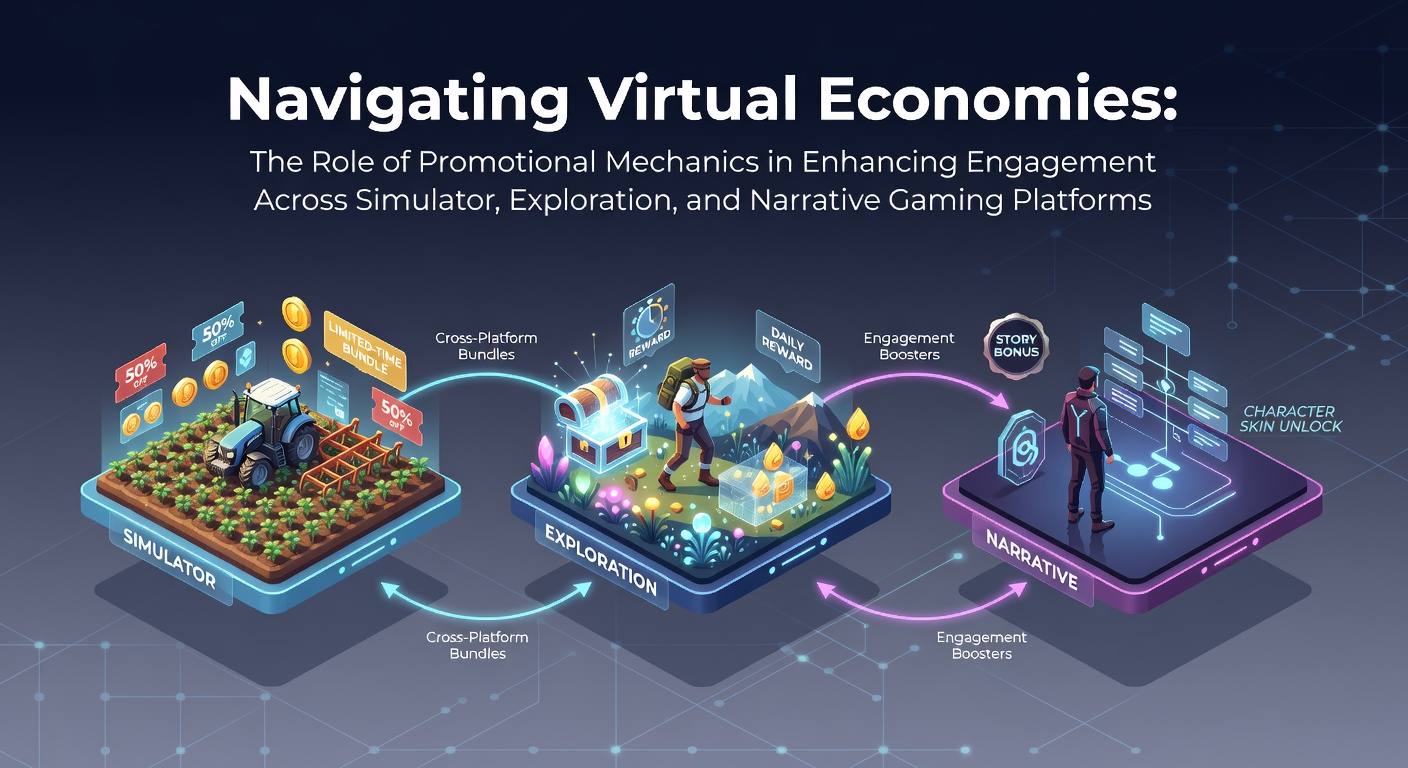
Virtual economies operate through layered systems where promotional mechanics serve as entry points for sustained participation; these tools appear in simulator titles that emphasize resource management, exploration games focused on discovery and mapping, and narrative platforms centered on choice-driven progression, and data collected through 2025 into May 2026 shows consistent patterns of increased session length when timed incentives align with core loops.
Core Components of Promotional Integration
Simulator platforms often incorporate limited-time resource multipliers or collection events that convert standard gameplay actions into accelerated advancement paths, whereas exploration titles layer discovery bonuses onto map completion or rare find achievements, and narrative experiences deliver branching story unlocks tied to limited availability choices. Researchers tracking player retention metrics across these categories note that promotional layers reduce early drop-off rates by providing immediate feedback loops that complement long-term progression systems.
Figures released by the Entertainment Software Association highlight how reward distribution algorithms adjust dynamically based on aggregate engagement data, allowing developers to calibrate scarcity without disrupting balance; this approach appears in agricultural simulators where seasonal events coincide with real-world calendar milestones and in open-world explorers where event zones rotate through different biomes on predictable schedules.
Cross-Genre Patterns in Reward Delivery
Studies from the European Games Developer Federation indicate that narrative-driven platforms achieve higher completion percentages when promotional mechanics tie directly to character development milestones rather than pure currency gains, while simulator environments benefit more from incremental collection streaks that encourage daily returns. Exploration games sit between these approaches because promotional events frequently combine both mapping achievements and temporary gear enhancements that support further discovery.
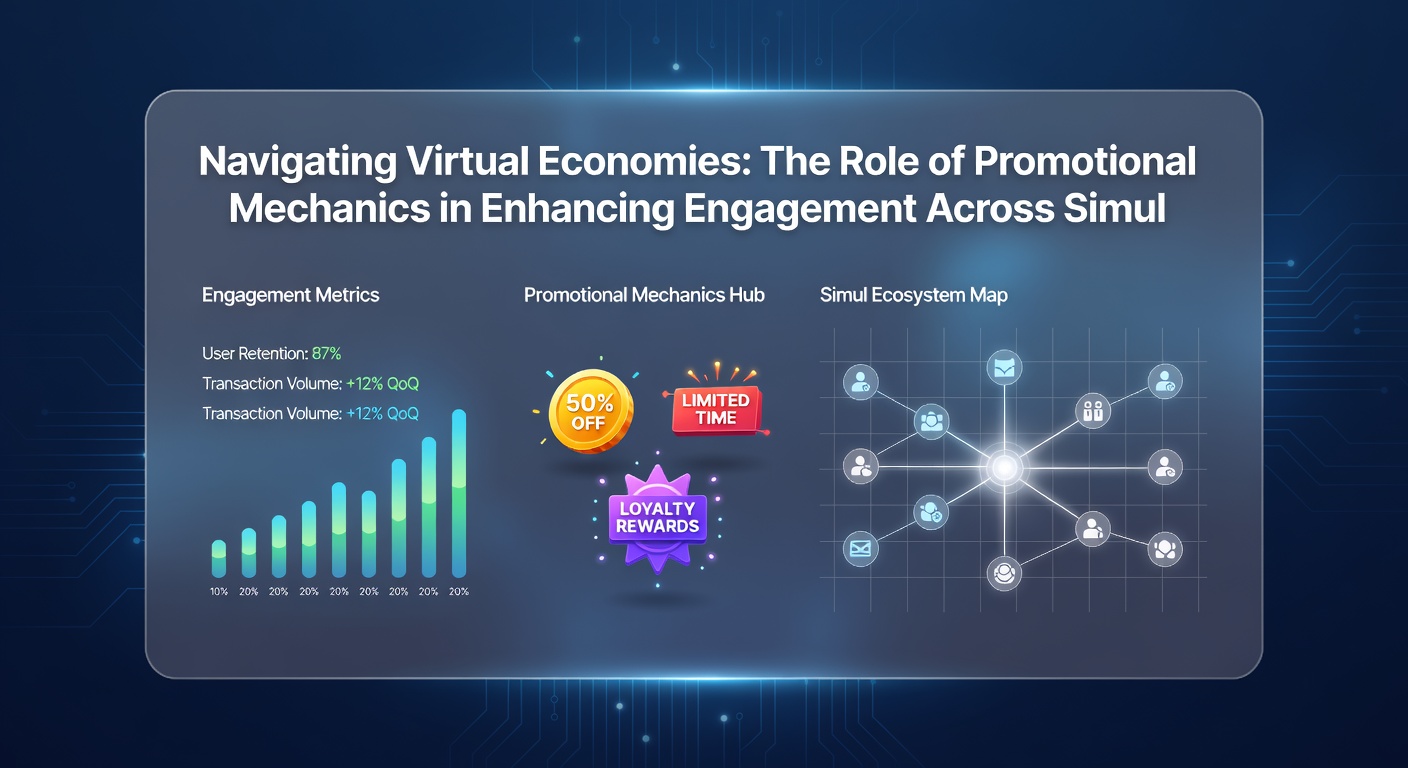
One documented case involved a simulation title that introduced rotating marketplace discounts during May 2026, resulting in measurable upticks in both active user counts and average transaction values according to internal telemetry shared with industry analysts. Similar mechanics in exploration titles during the same period featured temporary portal access that connected distant map regions, reducing travel friction while maintaining the underlying discovery reward structure.
Economic Feedback and Player Behavior Data
Academic analysis from the University of Southern California’s Game Innovation Lab demonstrates that promotional timing influences secondary market activity within player-driven economies, particularly when limited items become tradable after the event window closes. Narrative platforms exhibit different dynamics because story-specific rewards rarely enter circulation, instead functioning as permanent account markers that signal progression history to other participants.
Industry reports compiled through the Interactive Games and Entertainment Association in Australia reveal regional variations in redemption rates, with simulator events showing stronger uptake in territories where daily login habits already exist around other mobile applications. Exploration titles display steadier engagement curves because their promotional windows often align with content updates that expand the playable map rather than purely additive bonuses.
Future Trajectories in Incentive Design
Developers continue refining segmentation models that separate new player onboarding promotions from veteran retention campaigns, and this differentiation appears across all three genres with varying emphasis. Simulator environments prioritize continuity mechanics that protect existing progress, exploration titles focus on expanding the known world through event-driven revelations, and narrative platforms emphasize consequence amplification where promotional choices carry forward into later chapters.
Conclusion
Promotional mechanics function as connective tissue across virtual economies by bridging immediate player actions with sustained platform goals; the documented patterns through May 2026 demonstrate measurable correlations between well-calibrated incentives and participation metrics in simulator, exploration, and narrative contexts, and ongoing data collection continues to inform iterative adjustments that maintain economic stability while supporting diverse play styles.