Tracing Redemption Lifecycles Across Virtual Pet and Survival Ecosystems
Written by Ines Powell · Jun 21, 2026
Tracing Redemption Lifecycles Across Virtual Pet and Survival Ecosystems
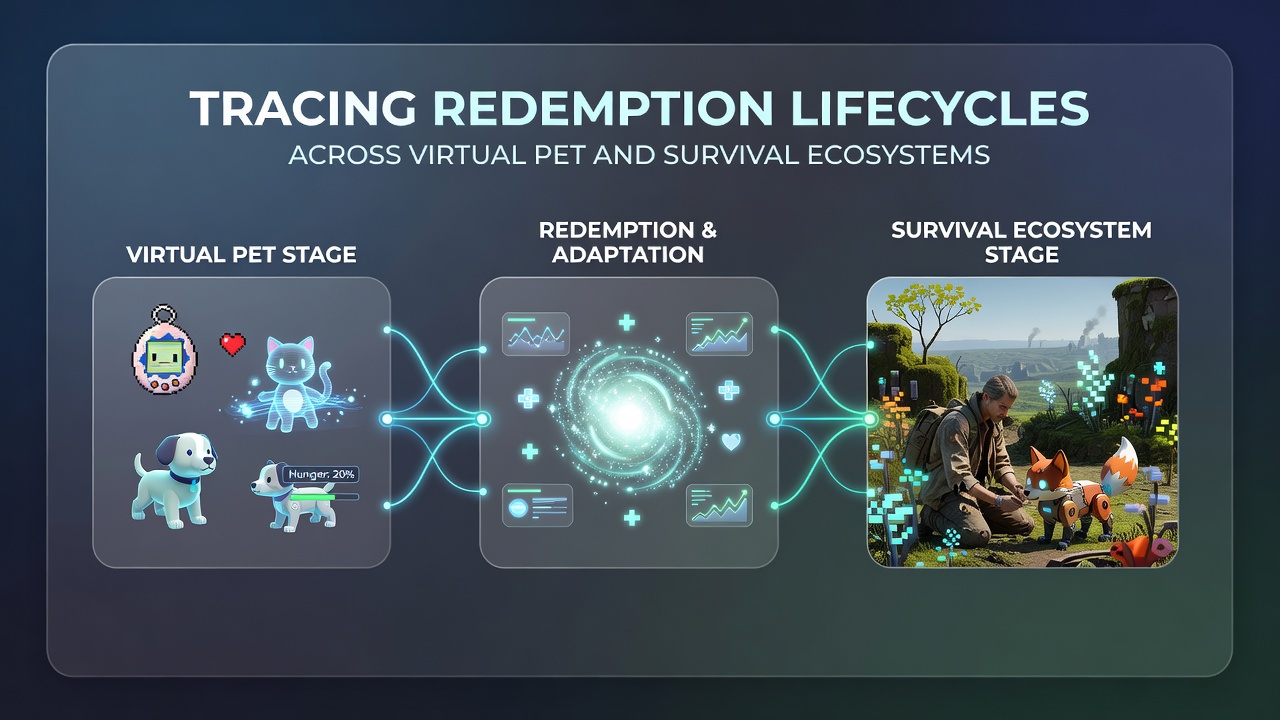
Redemption lifecycles in virtual pet and survival ecosystems follow structured paths from code generation through player activation and eventual expiration, with developers managing each stage to balance engagement and resource distribution. These systems appear across multiple game genres where players collect companions or manage endurance mechanics, and the processes involve issuance, distribution, redemption, and archival phases that researchers track through server logs and player behavior data. Developers initiate the lifecycle when they create redemption codes tied to specific rewards such as pet accessories, survival gear upgrades, or resource bundles. Distribution occurs via in-game events, external promotions, or partnered platforms, after which active periods begin and players receive defined windows for use. Expiration mechanisms activate automatically once deadlines pass, which prevents indefinite accumulation and encourages timely participation.Stages of the Redemption Process
Initial creation involves backend assignment of unique identifiers linked to inventory items, while distribution channels include social media announcements, email newsletters, and community forums. Redemption requires players to enter codes through dedicated menus that validate against active databases, and successful entries trigger immediate delivery of the associated virtual goods. Archival follows when systems mark codes as used or expired, which updates analytics dashboards used by development teams to assess campaign performance.
Virtual pet ecosystems often integrate redemption with companion growth mechanics, so rewards might unlock new skins, food items, or breeding tokens that extend pet lifespans within the simulation. Survival ecosystems meanwhile tie codes to resource caches, shelter expansions, or tool enhancements that directly impact player progression through hostile environments. Both environments share backend similarities in how servers monitor redemption rates and flag anomalies such as rapid bulk entries that suggest automated scripts.
Integration Patterns Across Genres
Many titles combine pet collection loops with survival challenges, creating hybrid redemption flows where a single code might deliver both a companion upgrade and a temporary resource boost. Observers note that these overlaps require coordinated timing so that pet-related rewards align with survival event schedules without creating resource imbalances. Data from June 2026 shows increased cross-genre code usage during seasonal events, with redemption volumes rising notably in titles that feature both mechanics simultaneously.
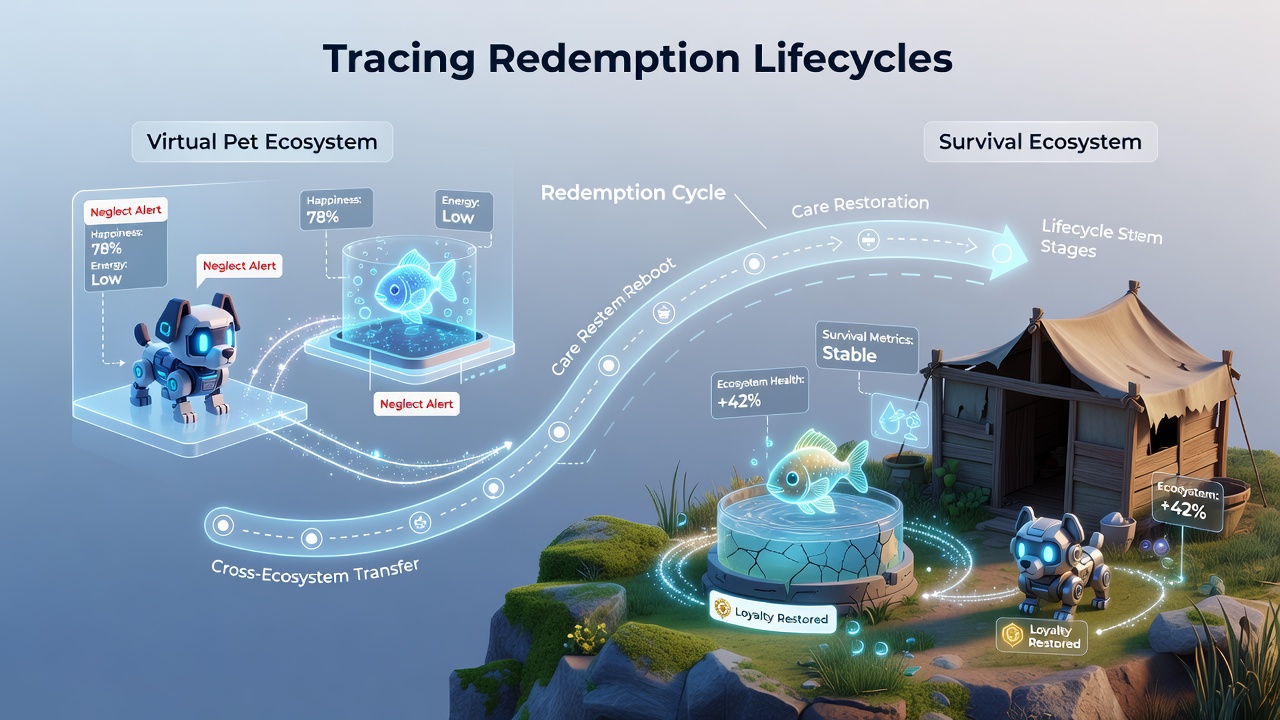
Tracking tools employed by studios capture timestamps at each lifecycle point, allowing teams to identify bottlenecks such as delayed distribution or low redemption uptake in certain regions. These metrics feed into future campaign planning, where adjustments to expiration windows or reward values occur based on historical patterns. Industry reports from the Entertainment Software Association highlight how virtual economy management has grown more sophisticated since the expansion of cross-platform play, which spreads redemption activity across multiple device types and time zones.
Regional and Platform Variations
European regulatory frameworks influence how long unused codes remain active before mandatory removal from databases, whereas North American and Asian markets tend to emphasize longer active periods tied to major content updates. Platform differences also emerge, with mobile versions often featuring shorter redemption windows compared to console counterparts because of higher daily login frequencies. Academic studies from institutions such as the University of Tokyo have examined these variations through anonymized player datasets, revealing consistent patterns in how survival-focused rewards convert at higher rates than pet customization items during mid-cycle phases.
External partnerships add another layer, as codes distributed through streaming platforms or merchandise tie-ins follow separate validation paths that integrate with core game servers via API connections. These additional channels extend the overall lifecycle but introduce extra monitoring requirements to maintain security and prevent duplication across sources.
Conclusion
Redemption lifecycles in virtual pet and survival ecosystems operate through sequential stages that developers refine using performance data and regional compliance standards. Patterns observed through server tracking and industry analyses demonstrate how these systems adapt to combined gameplay loops, with measurable differences appearing across platforms and geographic areas. Continued evolution in these mechanics aligns with broader trends in digital content distribution as studios respond to player behavior captured in June 2026 metrics and subsequent reports.